
- Overview
- Trip Outline
- Trip Includes
- Trip Excludes
- Gallery
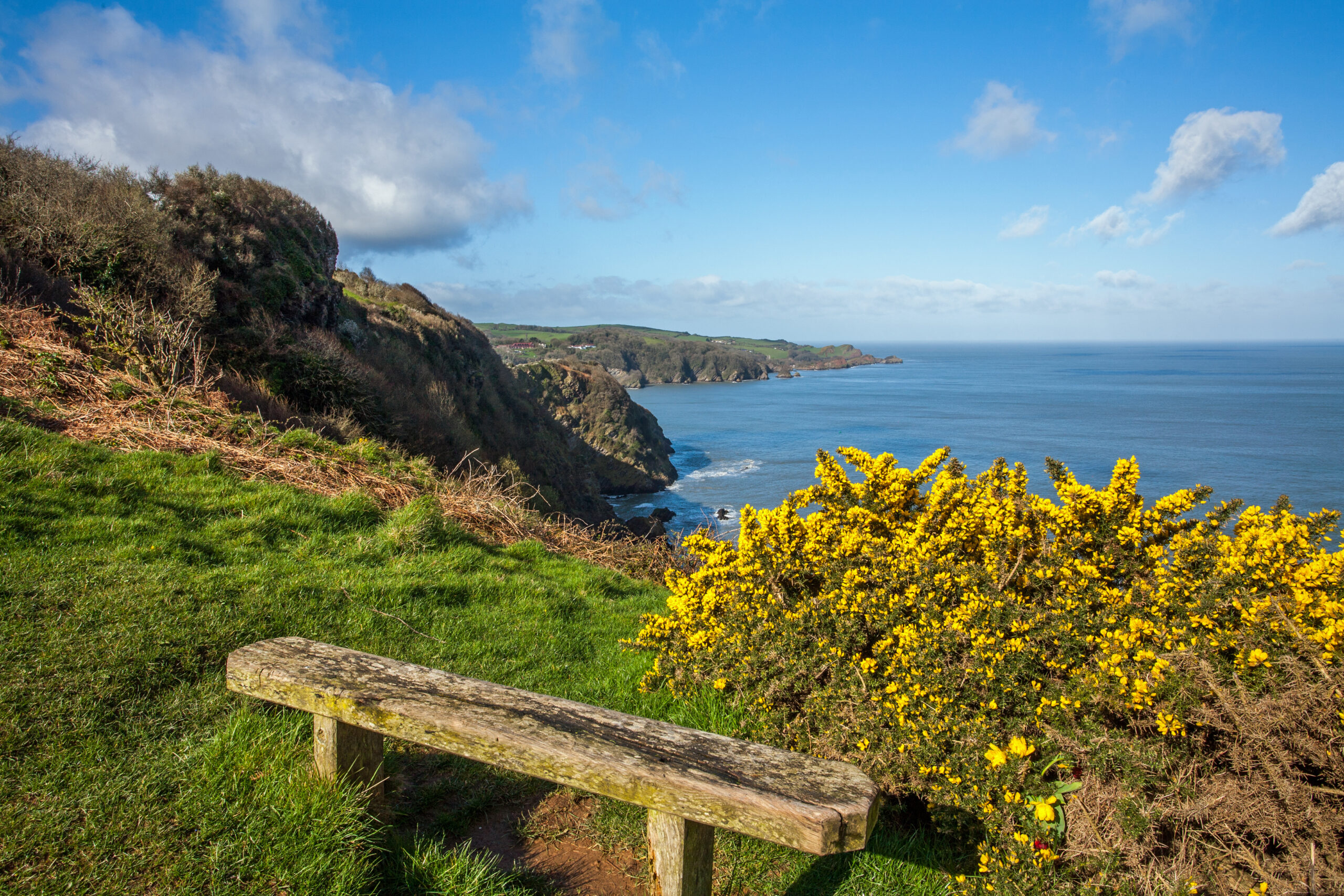
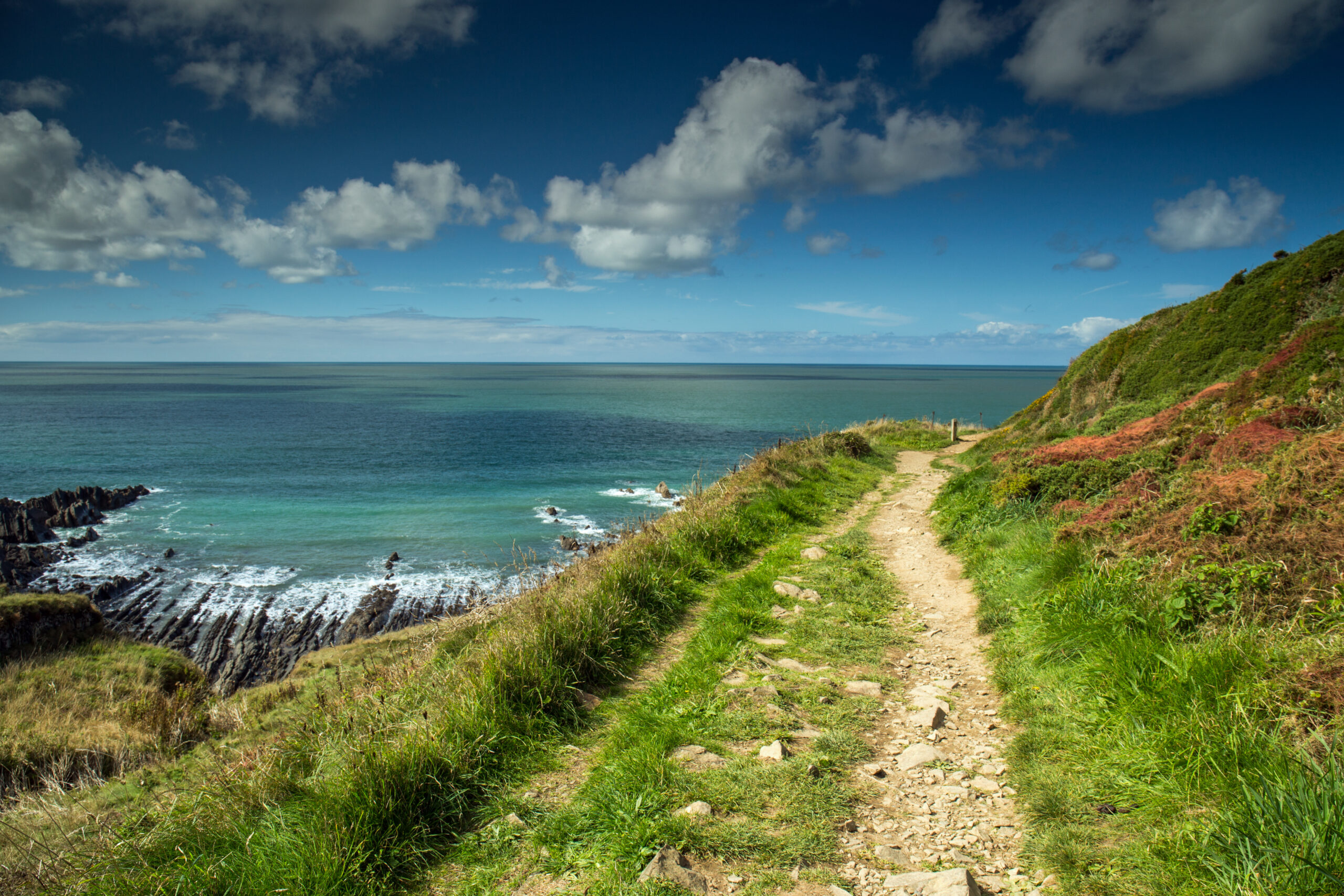
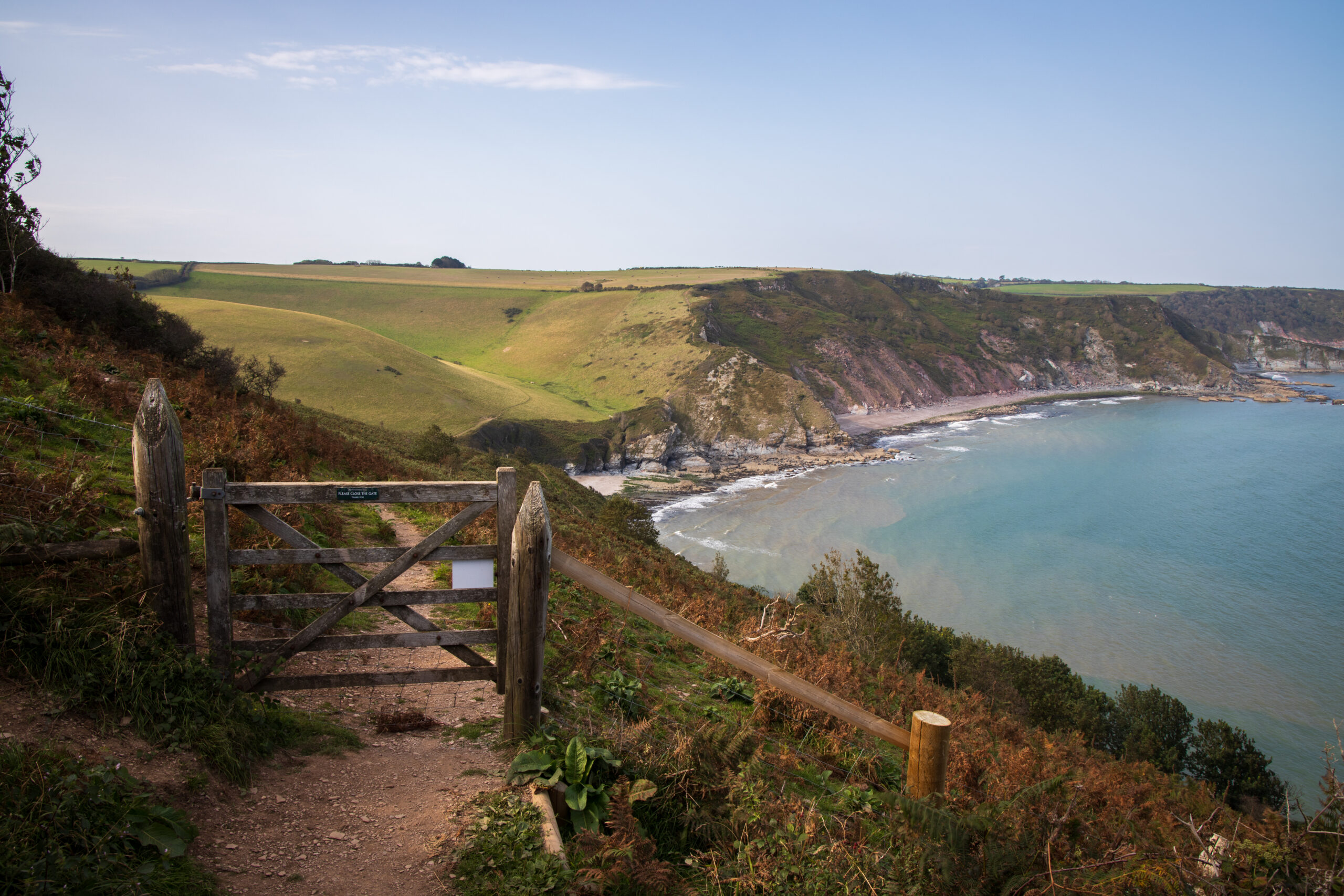
A beautiful part of the South West Coastal Path, this northern section undulates along the coast between the popular resorts of Padstow and St. Ives, visiting the surfer’s paradise of Newquay. Dotted between these famous seaside towns are also tiny thatched roofed villages, old tin and silver mining towns and traditional fishing harbours. It is both a landscape of wide sandy beaches and picturesque tiny coves mixed with dramatic cliffs and treacherous offshore reefs that have claimed many victims over the years.
Highlights
• Classic Cornish coastal walking along cliffs, beaches and hidden coves
• Explore Padstow’s historic harbour and lively food scene
• Pass through Newquay, Britain’s surfing capital
• Discover dramatic bays and sandy beaches once linked to smugglers and wreckers
• Spot seals and surfers along this wild Atlantic coastline
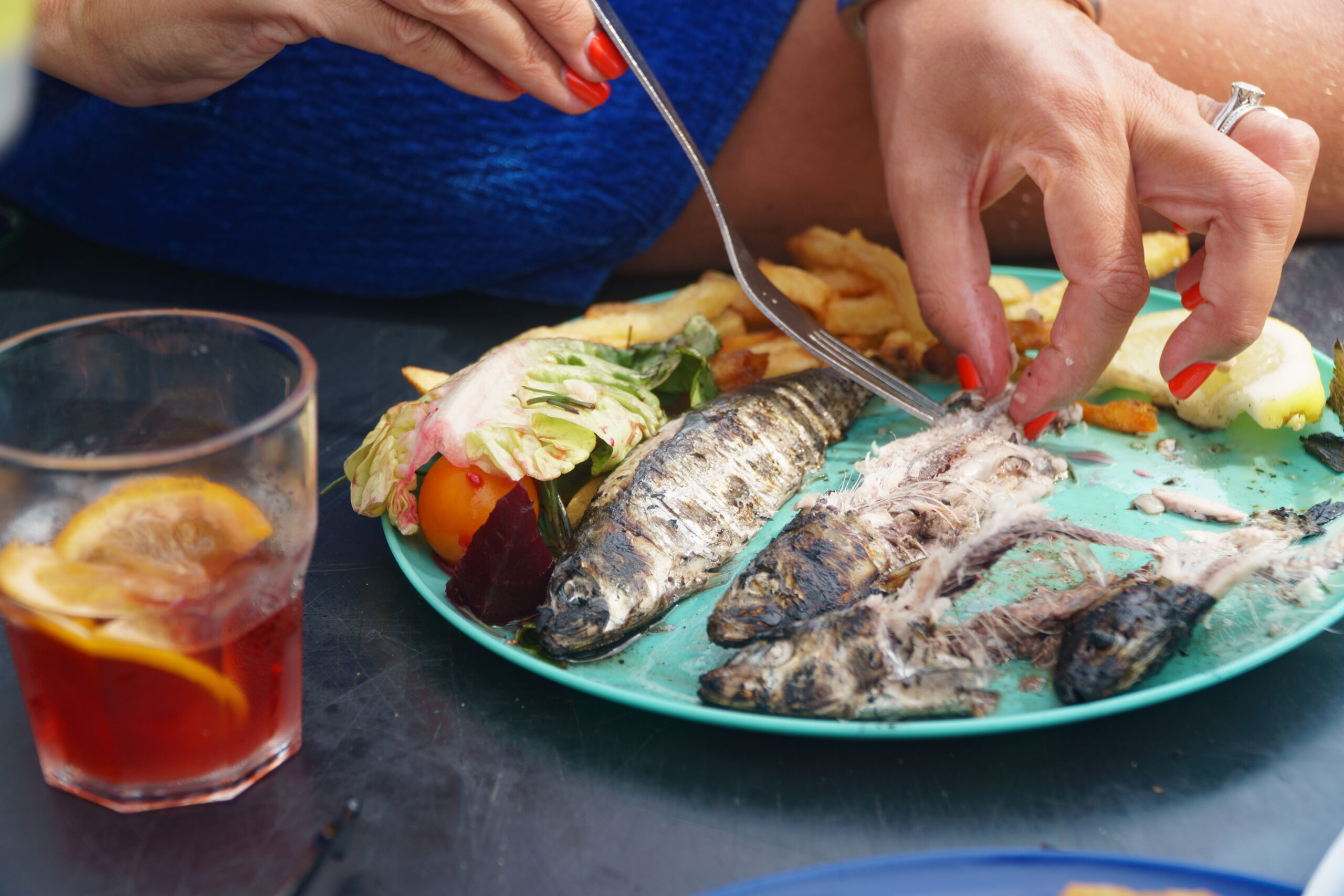
• Finish in St Ives, famed for its art scene, seaside charm and fish ’n’ chips
Itineraries
Day 1
Arrival in Padstow
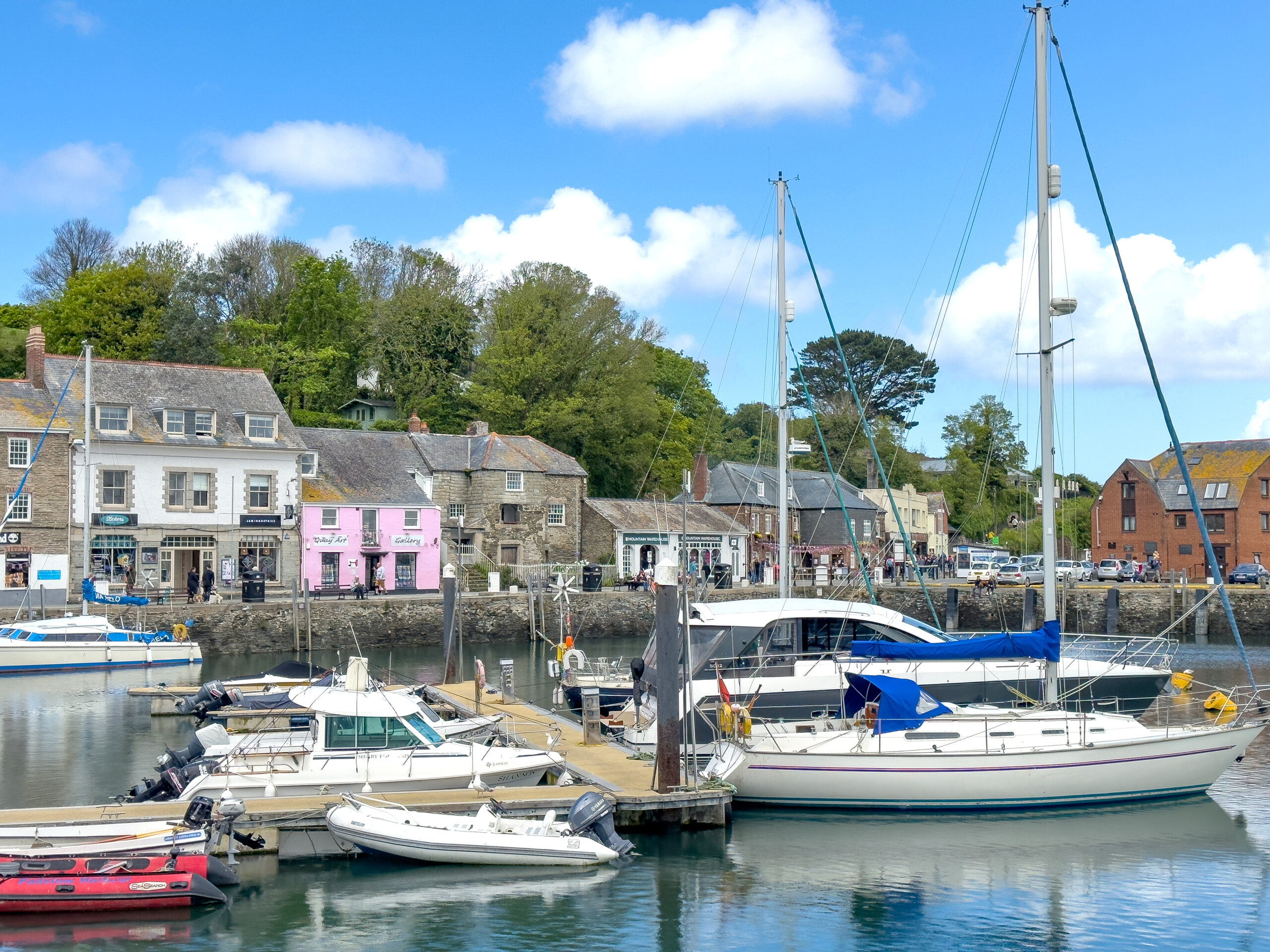
Make your own way to Padstow. The town is named after St. Petroc who came here circa A.D 500. The church of St Petroc is one of a group of three said to have been founded by the Saint. It is quite large and mostly of 13th and 14th century origin. The old harbour usually has a nice ensemble of boats including the old pilot vessels. Nice pub fayre and a Rick Stein restaurant.
Accommodation: We use several B&Bs and hotels in Padstow which all offer ensuite facilities.
Day 2
Padstow to Porthcothan
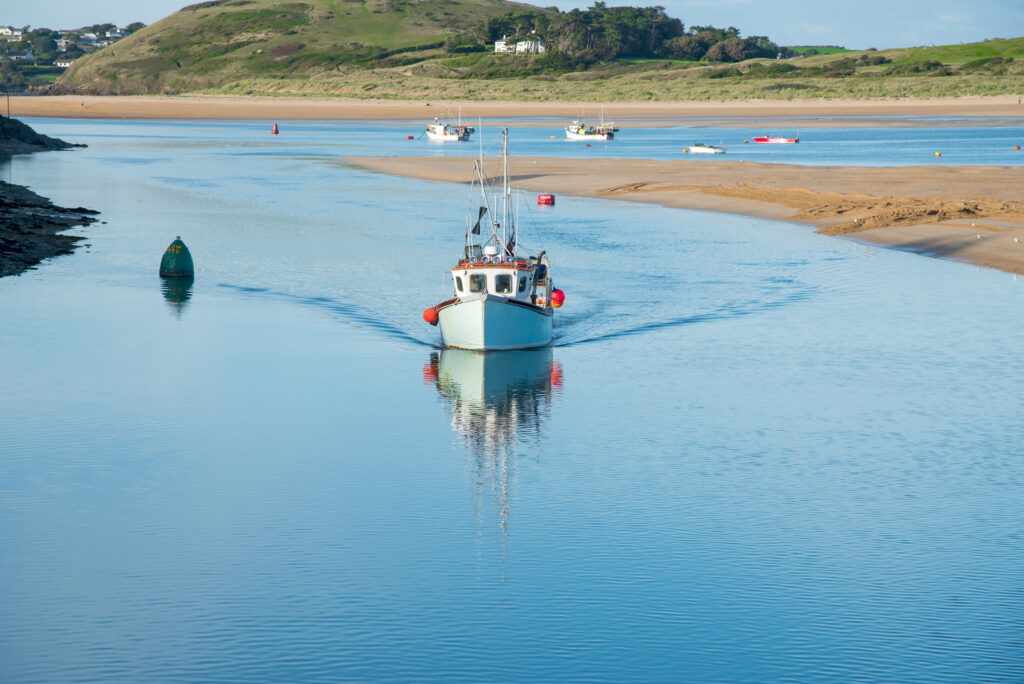
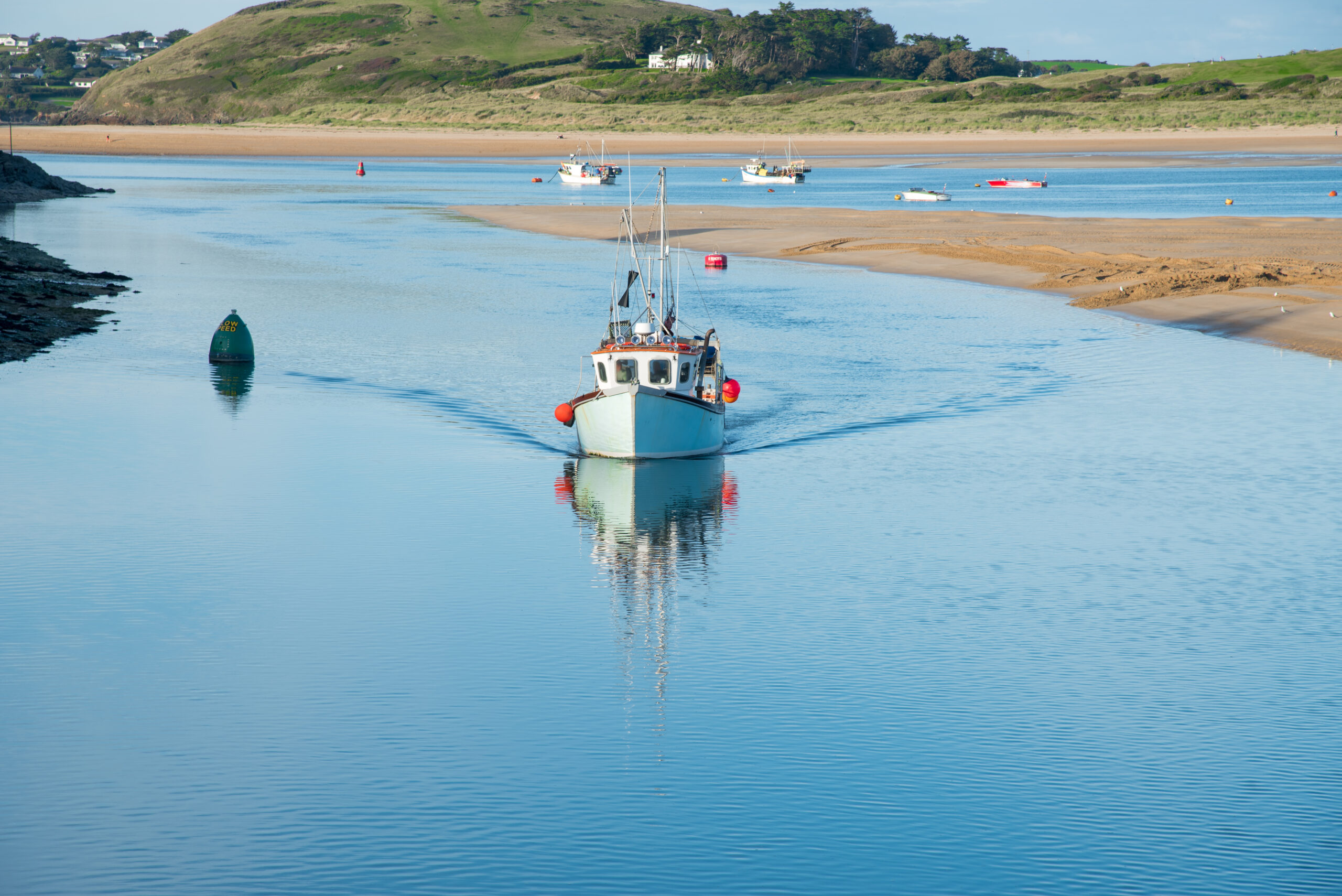
Leaving Padstow’s busy little tourist harbour, follow the shores of the picturesque Camel Estuary to Stepper Point, with views perhaps to Bodmin Moor inland and to the ‘Doom Bar’: an off shore sand bar which has wrecked hundreds of ships over the centuries, largely because the surrounding cliffs take the wind out of the boat’s sails as they try to enter the harbour. In fact, it became so notorious that many vessels would risk being wrecked on the coast rather than negotiate the entrance to Padstow in poor weather.
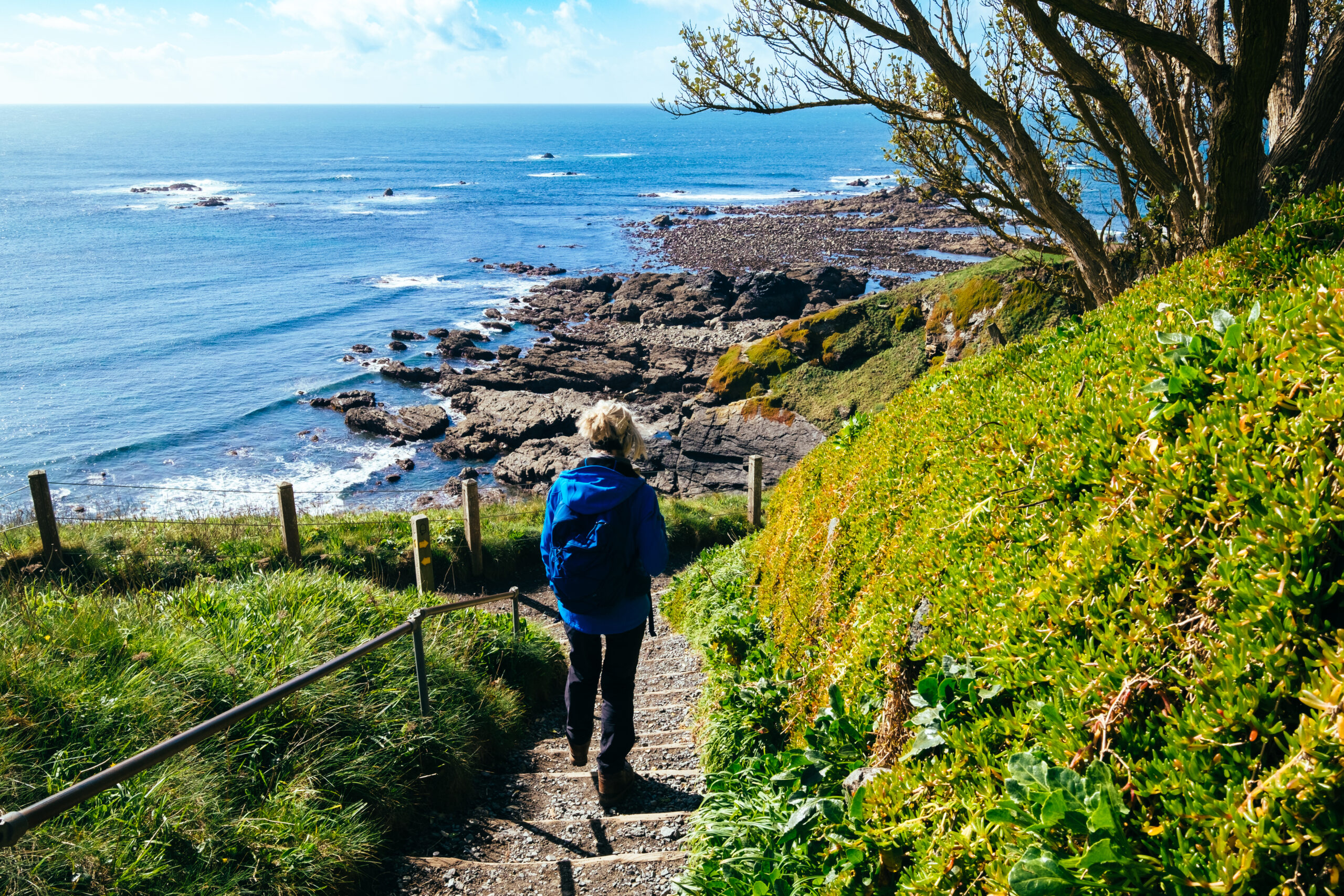
More coves pass by until you see the limestone and slate Porthmissen Bridge natural arch with colonies of Razorbills and Guillemots. From here continue on to Trevone Bay, a beautiful sandy beach, popular with surfers and onwards to Harlyn, another surfer’s paradise but once famed for fishing pilchards. The coastal path reaches Trevose Head where on clear days you can see both St Ives and Newquay. There is a lighthouse, which may be open in the afternoon. The path then turns south and crosses more sandy beaches around Constantine, passing Trethias Island nature reserve, threading its way through coves to descend to Porthcothan Bay.
Accommodation: Due to no accommodation in Porthcothan, you will be transferred back to your accommodation in Padstow and back to Porthcothan Bay the following morning.
Day 3
Porthcothan to Newquay
From the bay the path climbs up to Park Head, which provides wonderful views of Bedruthan Steps, a set of rock stacks that have been a popular tourist feature since the railway reached Newquay in 1875. Passing the village of Mawgan Porth the route follows the cliff top above Watergate Bay. Approaching Newquay, the path arrives at Trevelgue Head and the largest Iron Age fort remains in the county. Continuing over Barrowfields, with its three Bronze Age barrows, the path descends to Newquay. This is quite a shock after the day’s peaceful walk. Nevertheless, the town overlooks fine golden sands, which cushion the Atlantic rollers and make this Britain’s surfing capital. Before surfing fame, Newquay was another famous fishing port, catching the millions of pilchards that arrived every July via seining nets. It was also a silver and lead mining centre.
Accommodation: There are a selection of beautiful accommodations which we use in Newquay.
Day 4
Newquay to Perranporth
Leaving the harbour, the path climbs up Towan Head past the whitewashed Huer’s Hut, where lookouts would shout the arrival of the pilchard shoals to waiting fishermen, and then follow the cliffs around Pentire Point to take the ferry across the Gannel River. The path winds around headlands and coves to Kelsey Head, the site of an Iron Age promontory fort, and then descends to the village of Holywell, named after an ancient well and equally aged inn called ‘Treguth.’ Following golden sands along Perran Beach, pass the tiny ruin of St Piran’s Oratory, said to be the oldest church in Cornwall (8th century) but reburied to protect it from erosion. Depending upon tide levels, you reach the village of Perranporth either by the beach or the cliff.
Accommodation: There is a small selection of Hotels in Perranporth.
Day 5
Perranporth to Portreath
A fairly easy stretch today on well used paths occasionally dipping into valleys. The coast path follows the cliffs around Cligga Head, past mineshafts, now home to horseshoe bats, and the remains of tin mines, with dramatic views of the mine buildings and chimneys dotting the landscape further on around St Agnes. Enroute, you drop into Trevellas Porth and then Trevaunance Cove which has a waterside pub. It is then pleasant ascending to St Agnes Head past bird nesting cliffs, to the little village with the same name and terraces of miners’ cottages including an interesting little museum in an old chapel. The path descends past the ruins of Wheal Coates Mine to the sandy inlet of Chapel Porth. Then back up to the cliff tops, the path goes past the Wheal Charlotte Mine, drops down to the beach at Porthtowan and then follows the cliff top path to the harbour at Portreath, from where minerals were exported from the mines at Redruth.
Accommodation: There are some gorgeous family ran B&Bs in Portreath
Day 6
Porthtreath to Hayle
Leaving Portreath, there is a strenuous climb up Tregea Hill and 10 km/6 miles of National Trust land, continuing high above the sea along Carvannel and Reskajeage Downs. You then reach a rather sensational breach in the cliffs called Hell’s Mouth. At Navax Point, you might be lucky enough to see grey seals. Walking on to Godrevy Point you will see the lighthouse perched on Godrevy Island, a likely inspiration for Virginia Wolf’s ‘To the Lighthouse.’ The lighthouse marks the landward end of a treacherous line of reefs, called The Stones, which have claimed many wrecks and many of their victims are buried in the churchyard at Gwithian, a sleepy thatched cottage village with an interesting old pub, The Pendarves Arms. The path then meanders through the Towans sand dunes to the busy port of Hayle.
Accommodation: We have some elegant accommodations here in Hayle which we use.
Day 7
Hayle to St Ives
A short day which should give you enough time to discover beautiful St. Ives, with its museums and galleries. Skirting the Hayle Estuary, which is noted for its seabirds and waders, the path passes along the dunes above Porth Kidney and then passes beautiful Carbis Bay to reach the town.
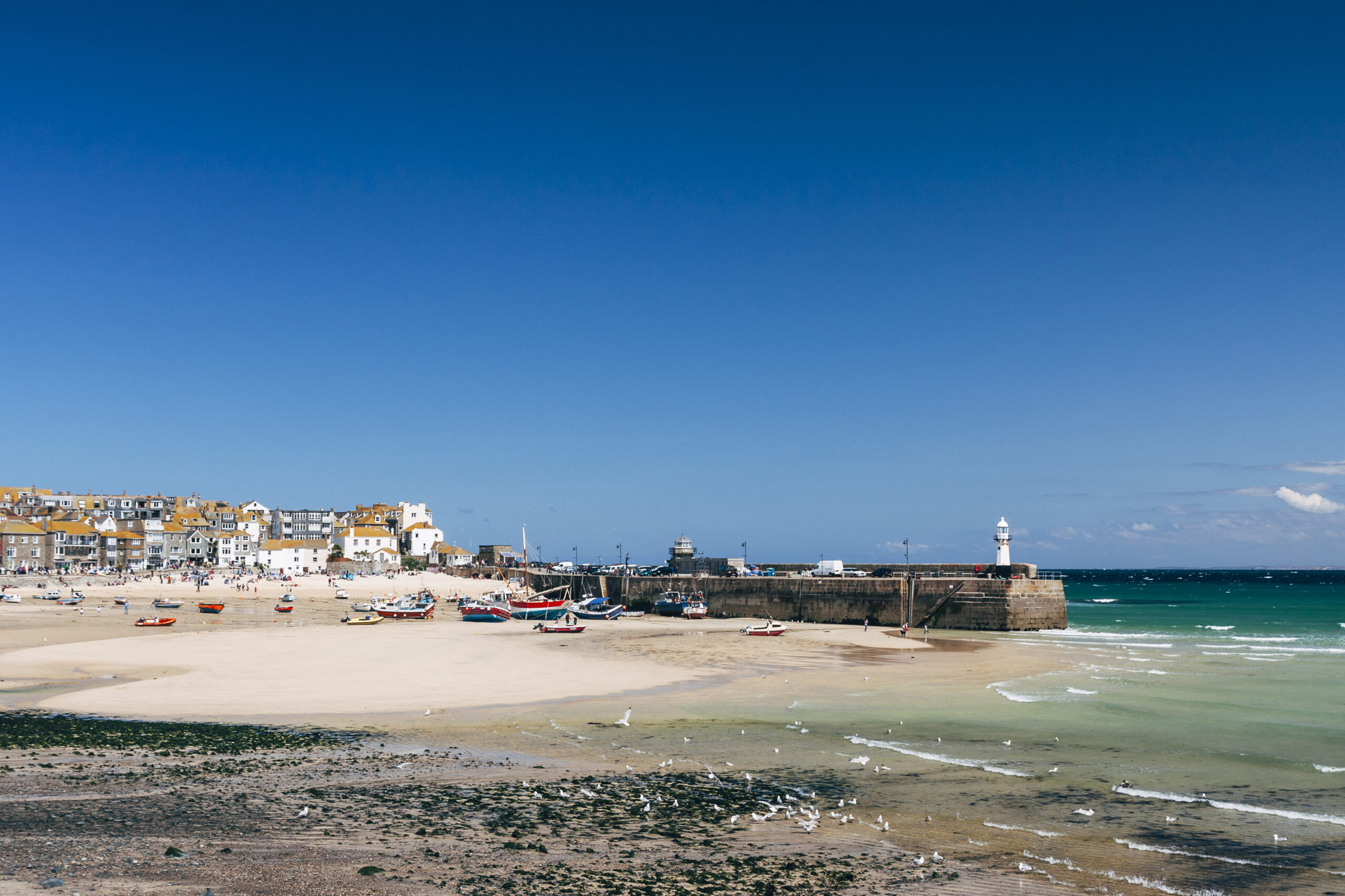
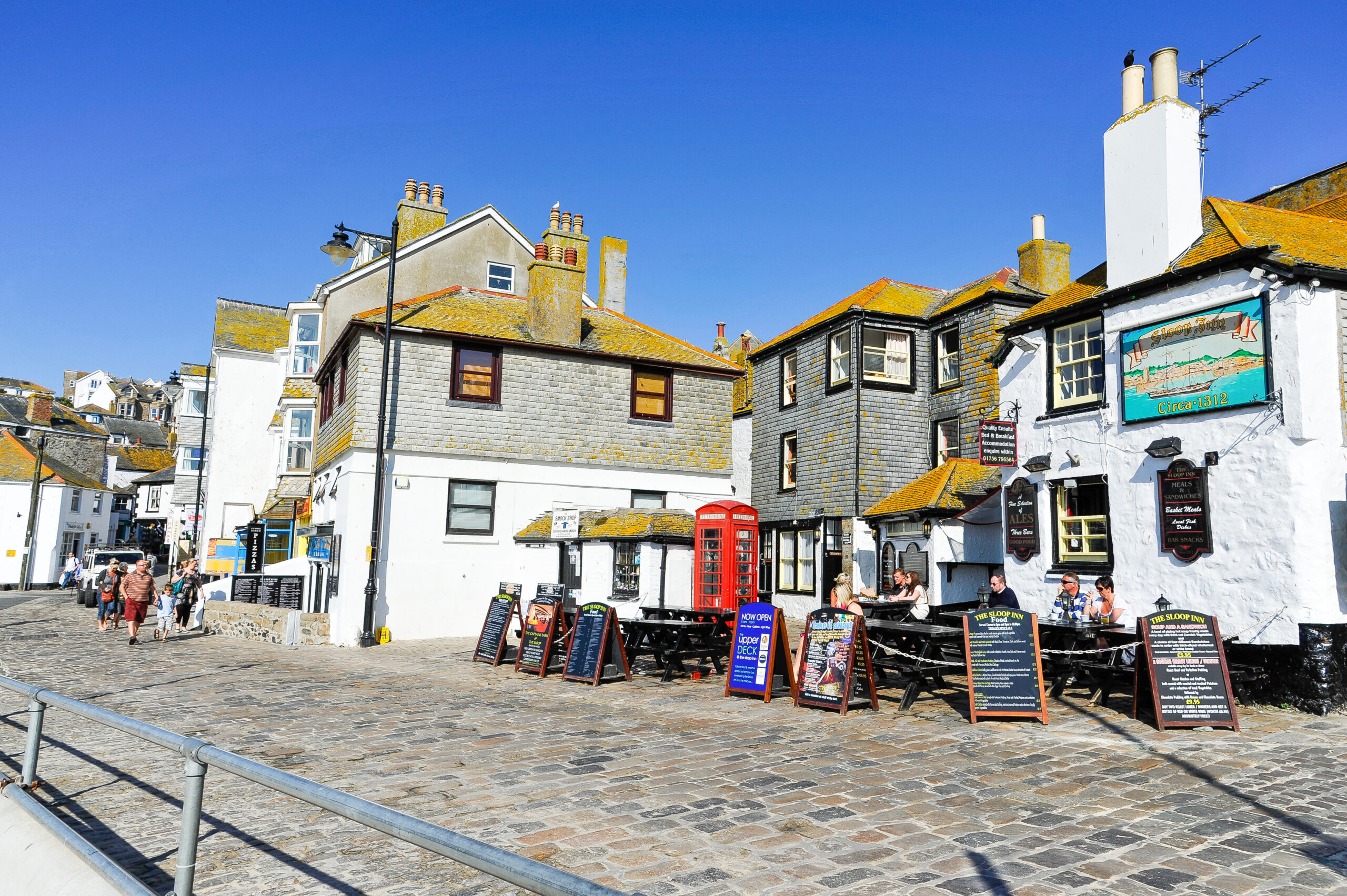
St Ives dates back to AD460, when the missionary St. Ia - daughter of an Irish chieftain - landed here and gave her name to the settlement in a similar way to how St. Beda gave her name to St. Bees in Cumbria. Protected from Atlantic storms, St Ives was once the most important fishing port in Cornwall but, like elsewhere on the surrounding coast, by the beginning of the 20th century the fish stocks became depleted, and the fishing fleet largely disappeared. However, as early as 1811, Turner visited to paint the seascapes and, by the late 1880s, there were several artists installed and the town became famous for its vibrant artists’ colony. This perhaps reached its heyday during the late 1940s and the 1950s. Today their work can be seen in the St Ives Tate Gallery, the Barbara Hepworth Museum, and the Bernard Leach Gallery. It is also a great place for fish & chips.
Accommodation: St Ives has a wide range of accommodations, ranging from B&Bs to hotels which all have ensuite facilities and located in the beautiful St Ives.
Day 8
Depart St Ives after breakfast
Arrangements end after breakfast
7 nights' accommodation (small hotels, lodges, pubs, and B&Bs)
7 breakfasts
One piece of luggage per person transferred between accommodations, not exceeding 20kg
24-hour telephone assistance
Digital information pack including Navigational App, maps and route notes
Travel to the start point and from the finish point
Travel insurance (required)
Lunches, dinners, snacks and drinks
Entrance fees and attractions
Personal equipment
Personal expenses, including laundry and phone calls
Unscheduled transfers required during the trip
Excess luggage charges
Single room or solo traveller supplements, where applicable
Guiding services – this is a self-guided holiday
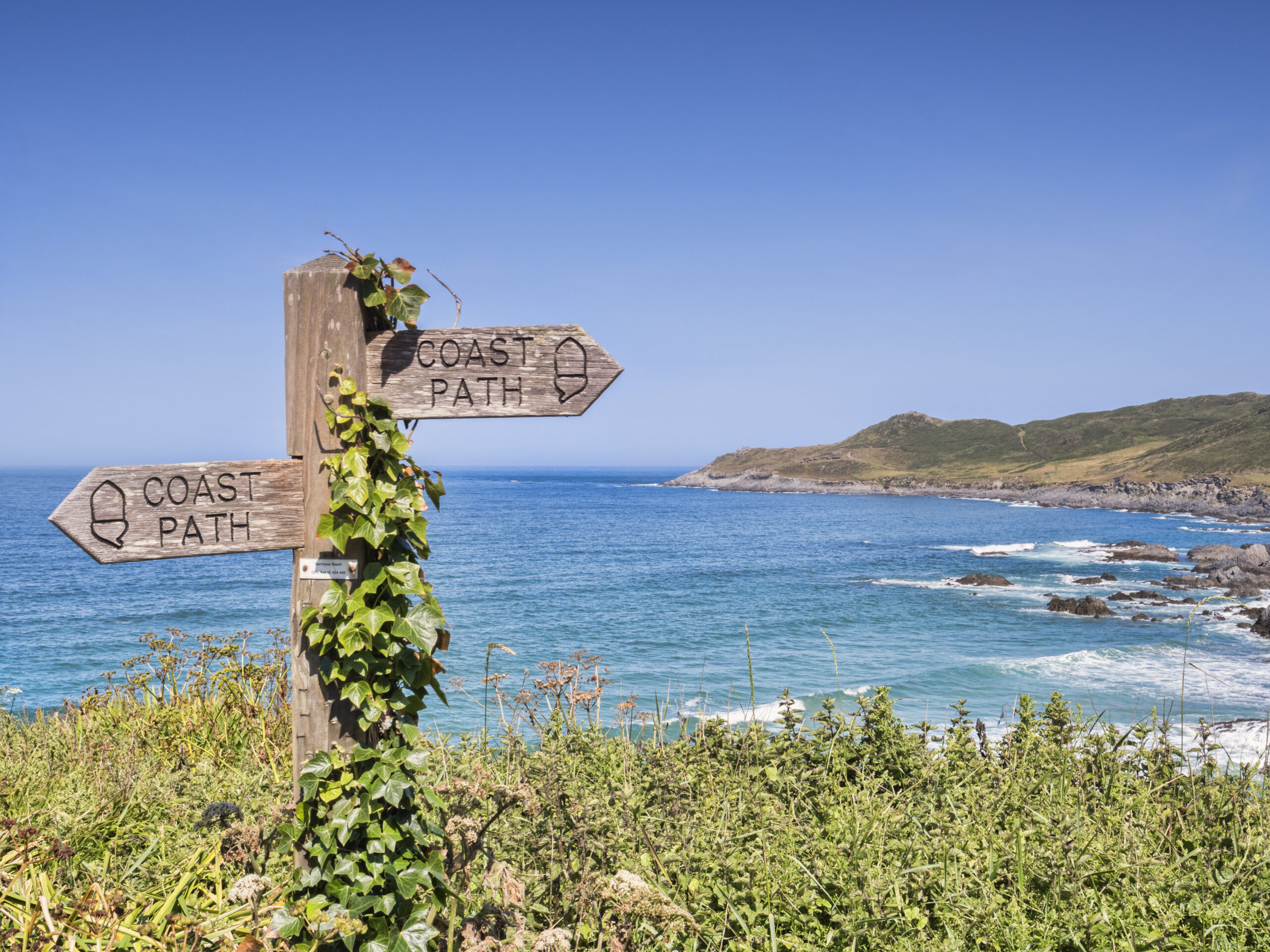
Related Trips
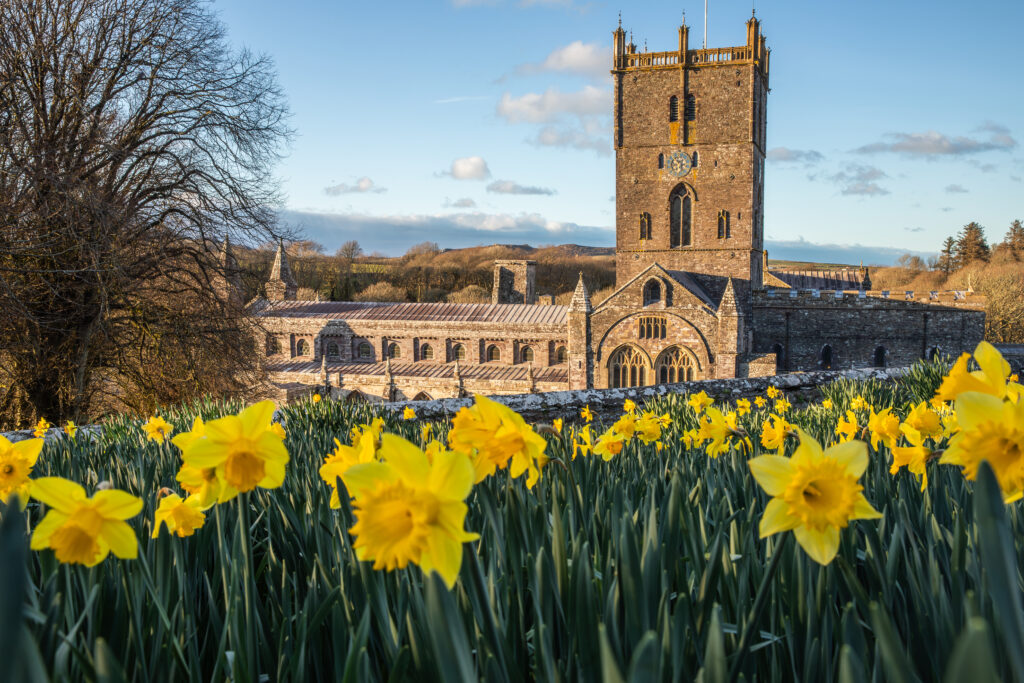
Pembrokeshire Coast Path Central – Pembroke to St Davids – 8 days
The Pembroke to St Davids section of the Pembrokeshire Coast Path is a journey through some of the most varied and atmospheric landscapes…
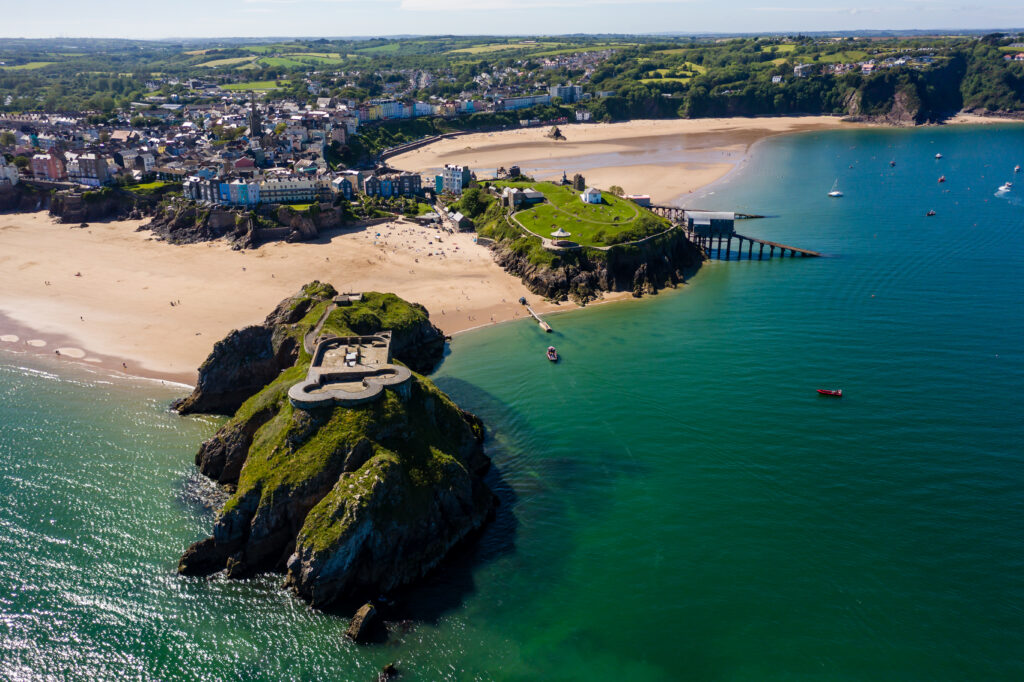
Pembrokeshire Coast Path South – Amroth to Pembroke – 7 days
The opening stretch of the Pembrokeshire Coast Path, from Amroth to Pembroke, sets the tone for the entire National Trail. It blends gentle…
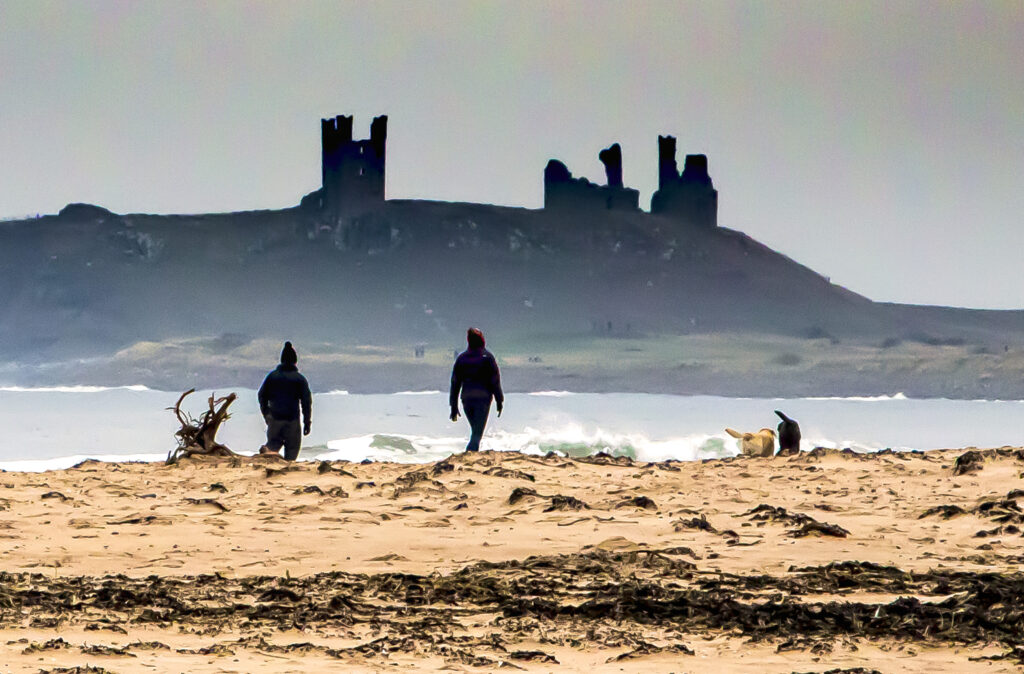
Northumberland Coast Path Highlights – Warkworth to Berwick-upon-Tweed – 5 days
We’ve picked, with some difficulty, the highlights from a section of the English coast absolutely packed with delights. This 5-day trip visits castles,…