
- Overview
- Trip Outline
- Trip Includes
- Trip Excludes
- Gallery
Highlights of the King Charles III Coastal path between the Victorian seaside resort of Morecambe and harbour town of Whitehaven on the West Coast of Cumbria. Quirky, charming and brimming with local haunts all mixed in with regal visits including the ferry to Piel Island to meet the King of the Isle and an overnight stay in the converted stables of Muncaster Castle with exclusive access to the grounds after hours.
Highlights
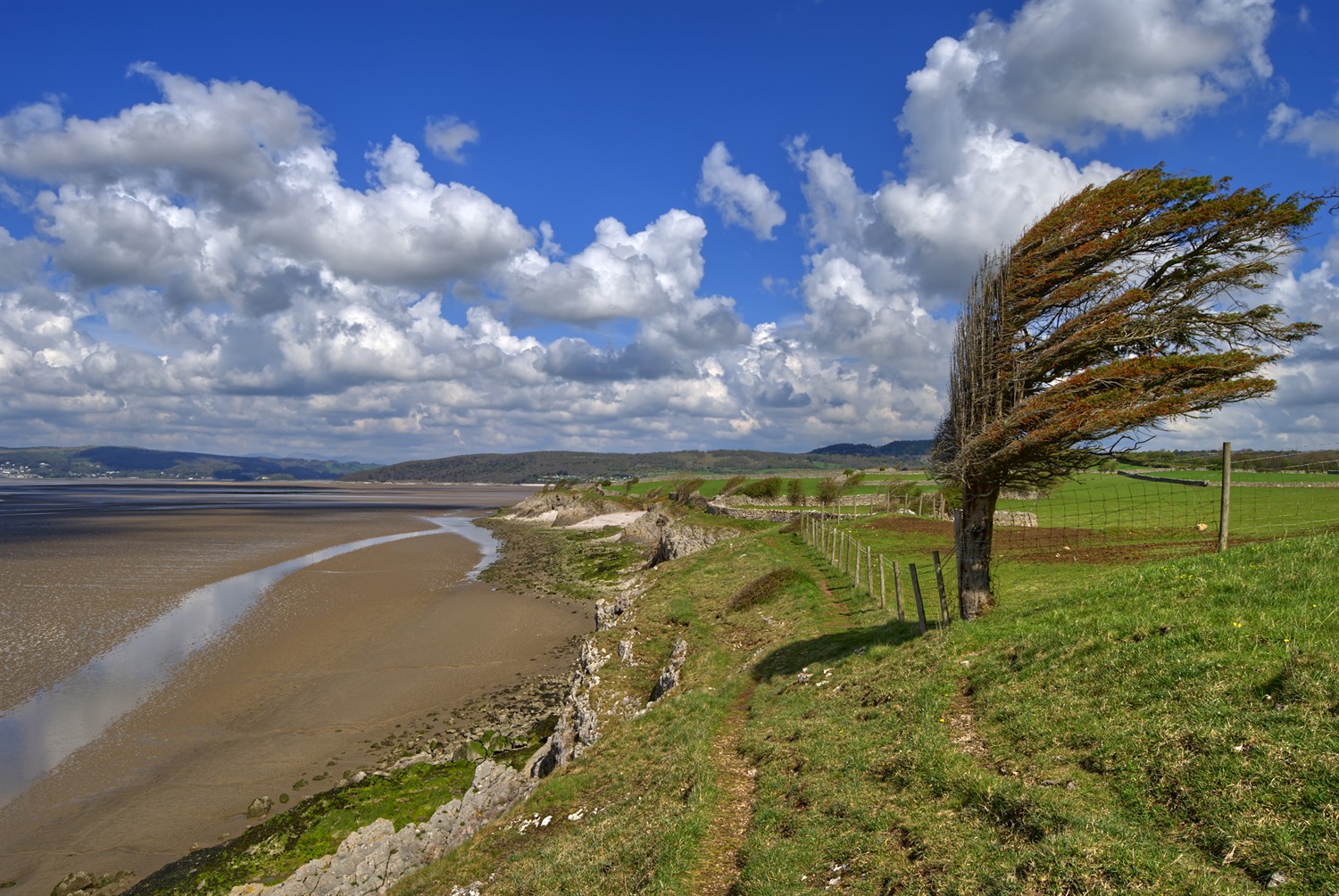
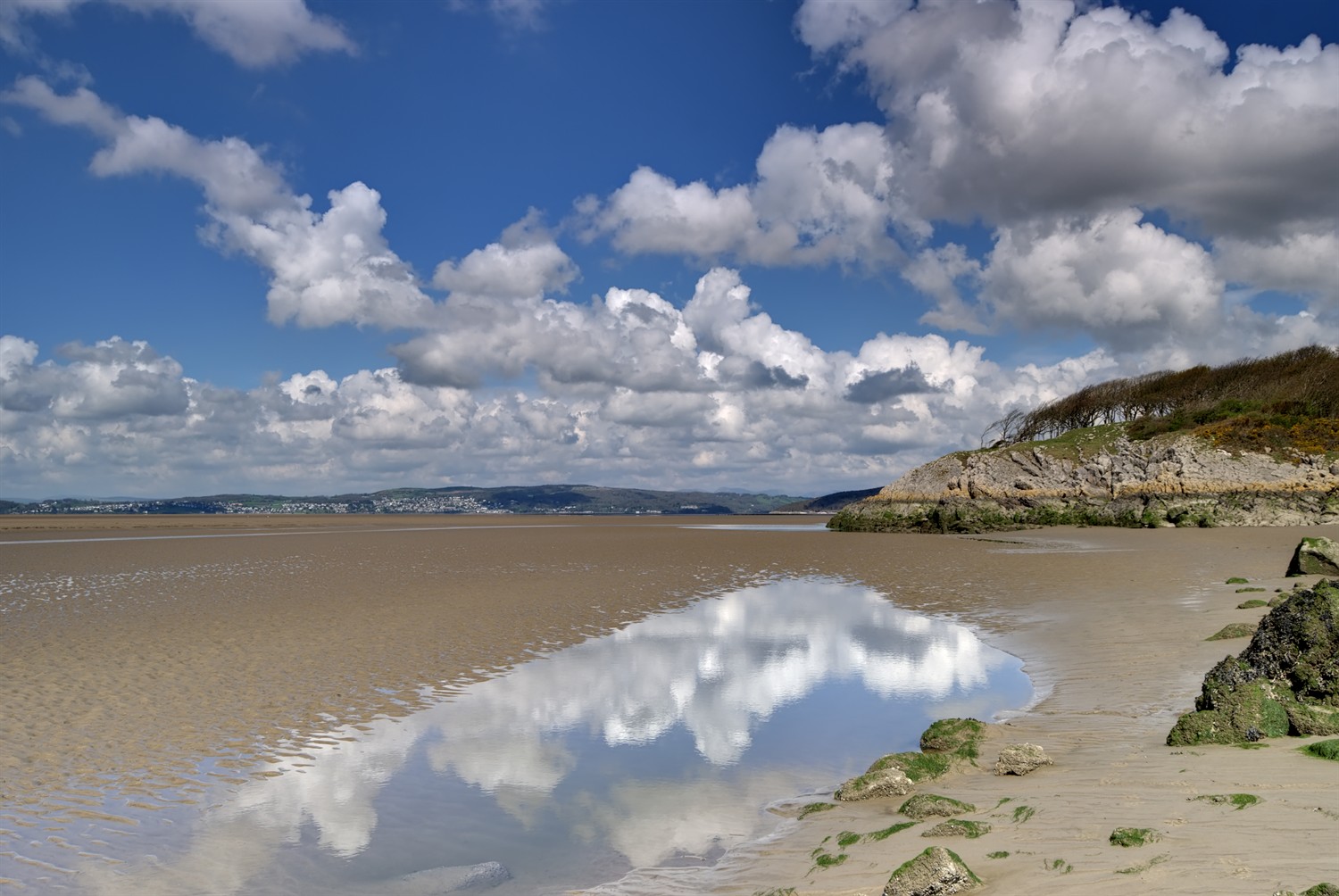
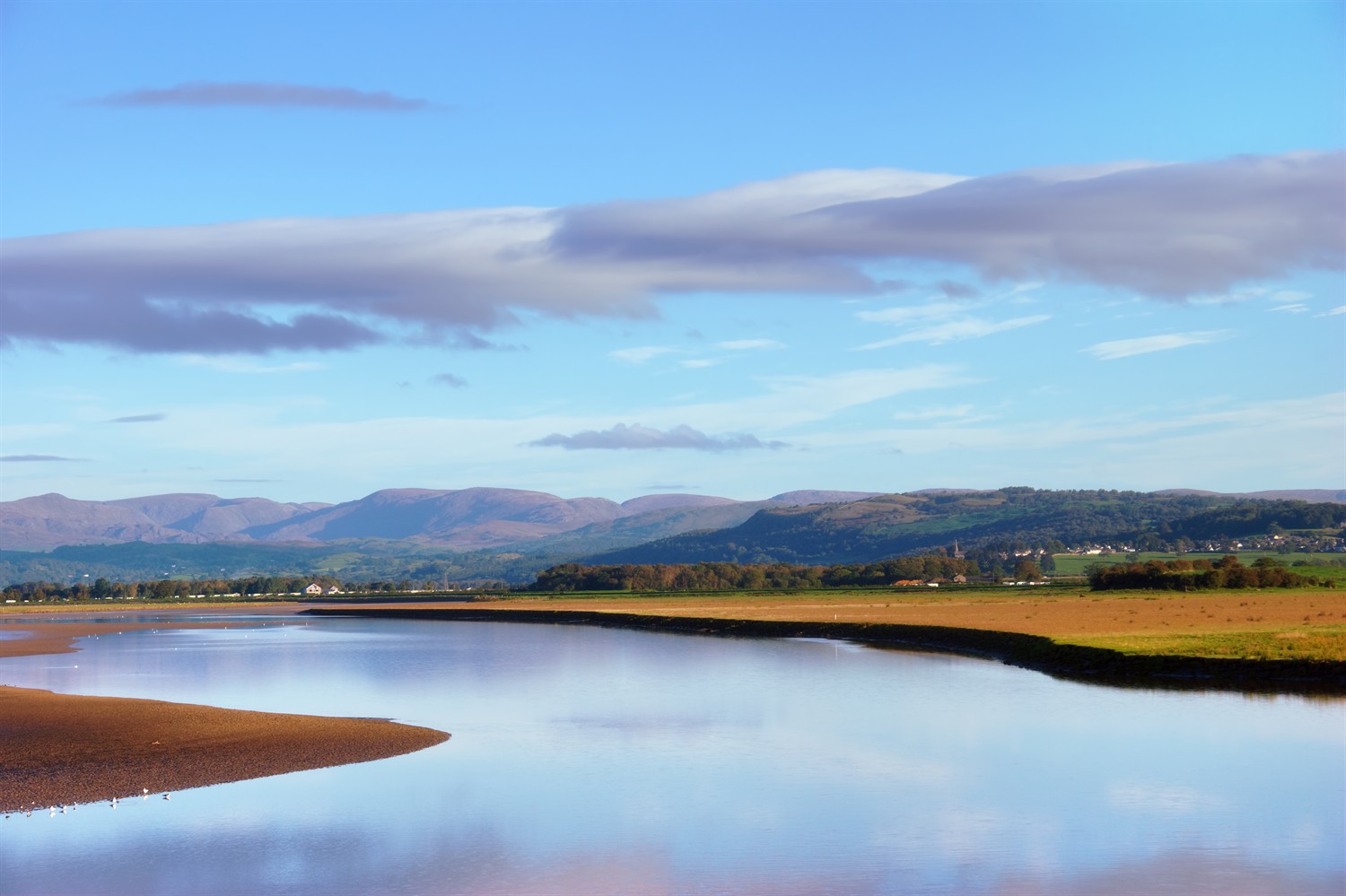
- The little known Lancastrian and Cumbrian Coastline – vast tidal sands, saltmarshes, limestone hills, and ever-changing coastal light
- Wildlife and nature encounters – including RSPB Leighton Moss, ospreys, and rich coastal birdlife
- Sacred and royal heritage – Cartmel Priory, Furness Abbey, Muncaster Castle, and monastic walking routes
- Islands and ferries – Roa Island and the unforgettable crossing to Piel Island, ruled by its “King”
- Characterful places to stay – from the iconic Midland Hotel to enjoying a night on the Muncaster Castle estate
Itineraries
Day 1
Arrival in Morecambe
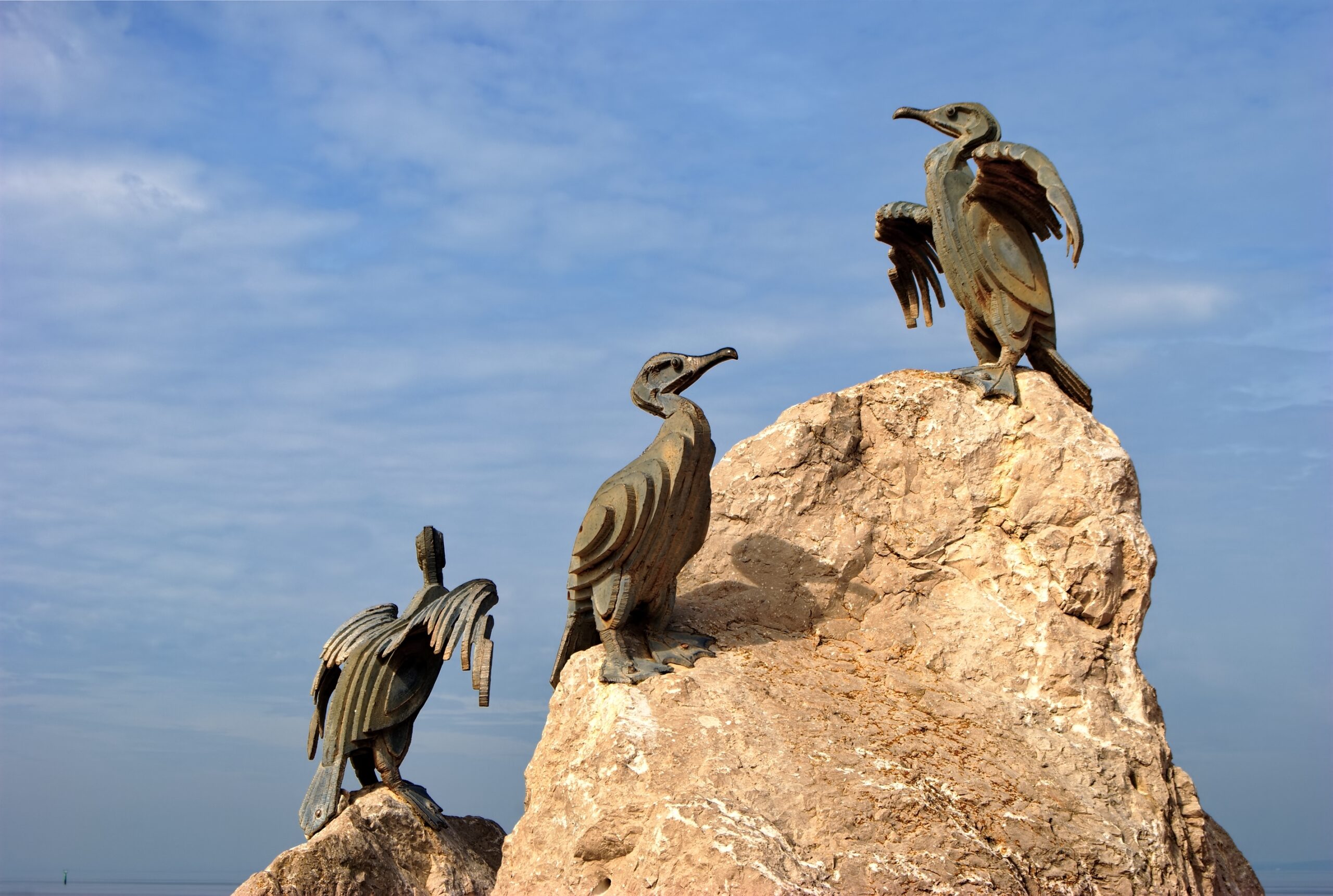
Arrival in Morecambe. The award-winning promenade stretching alongside Morecambe Bay with views to the distant fells of the Lake District invites you to stretch your legs and explore the Tern Project, a series of public art installations inspired by the birdlife of the Bay. You'll be staying at the 1930s Midland Hotel, an art deco landmark, that has been restored in recent years, and has a great Rotunda bar with panoramic views of the Bay.
Accommodation: The Midland Hotel
Day 2
Walk to Arnside
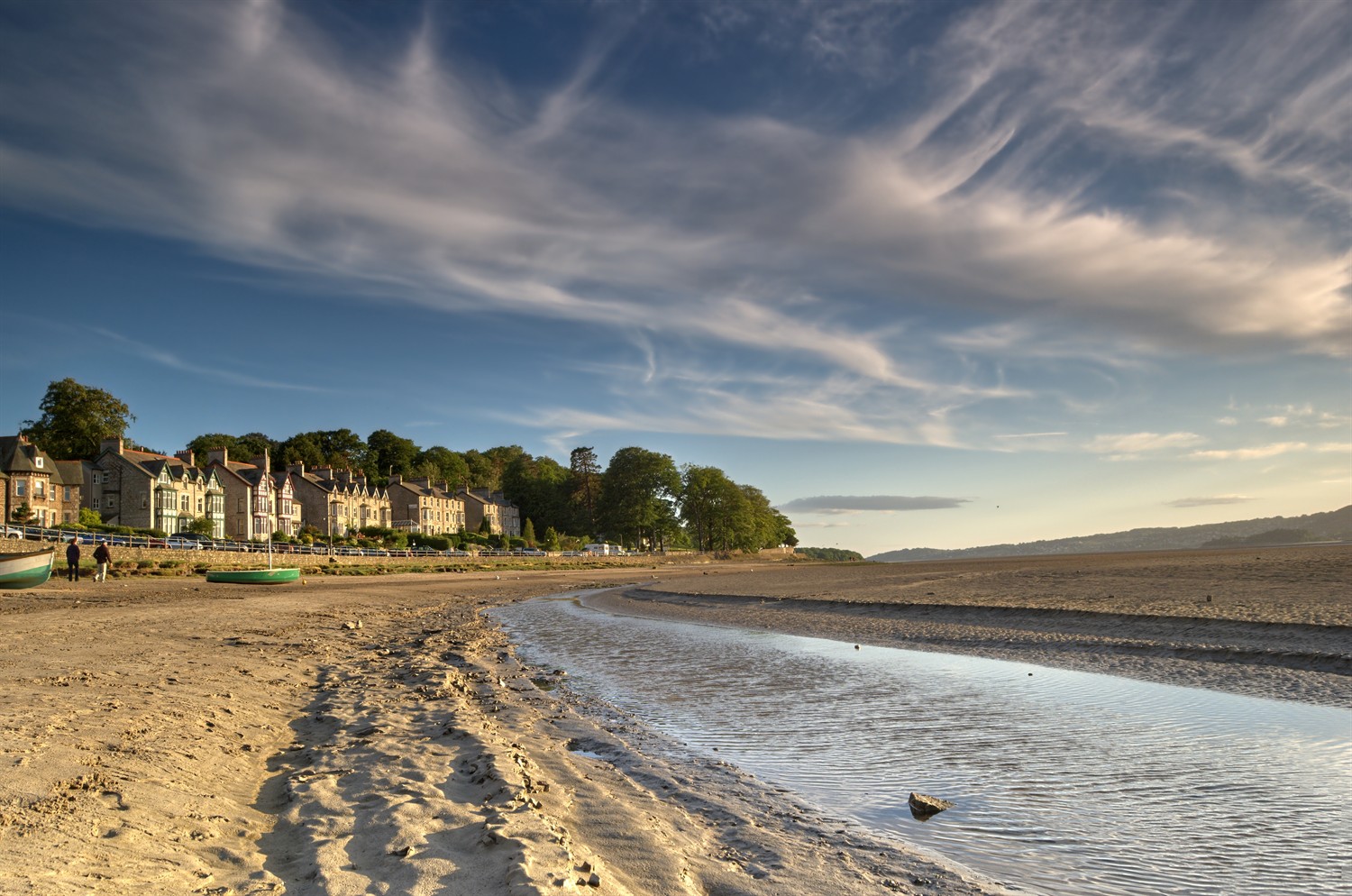
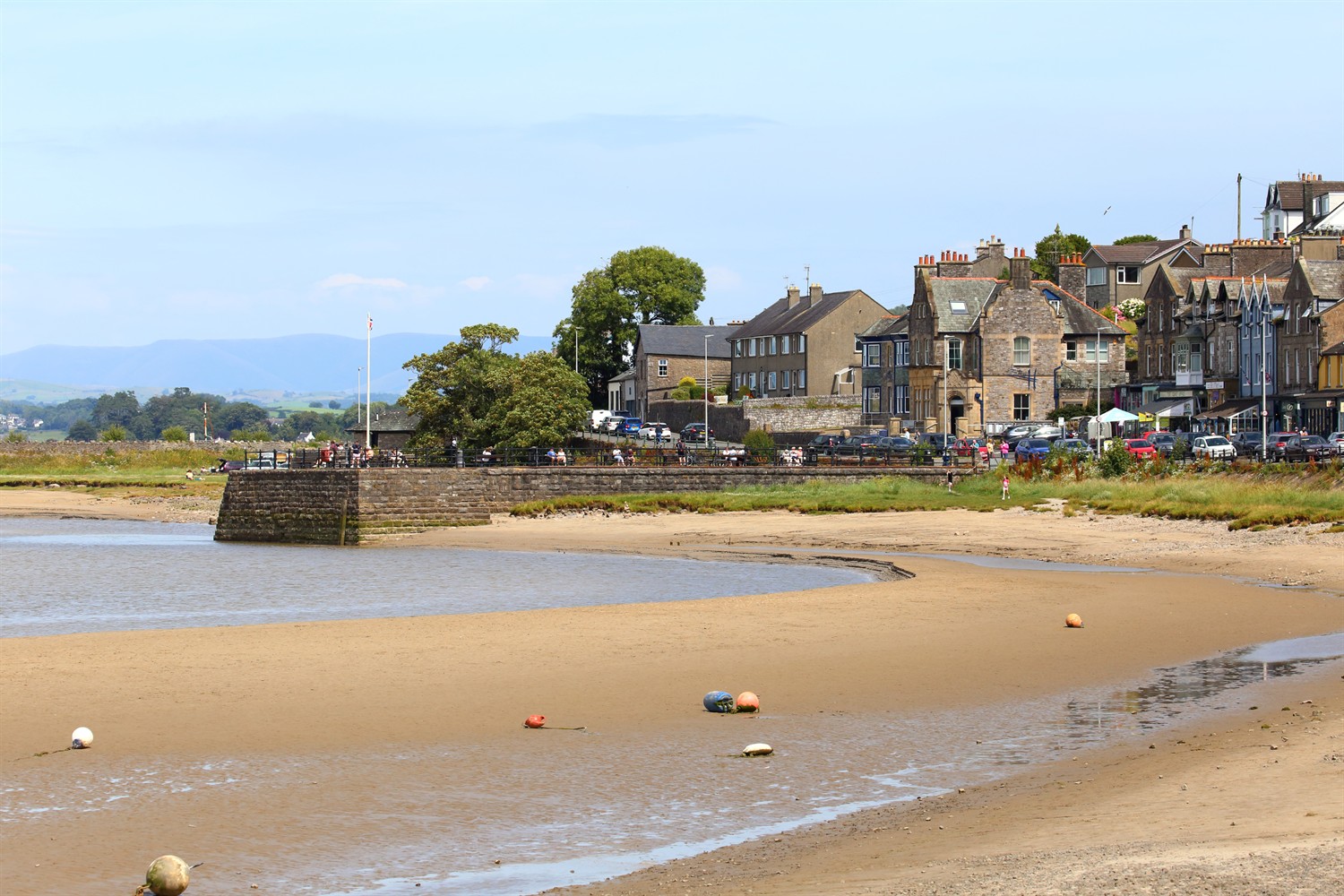
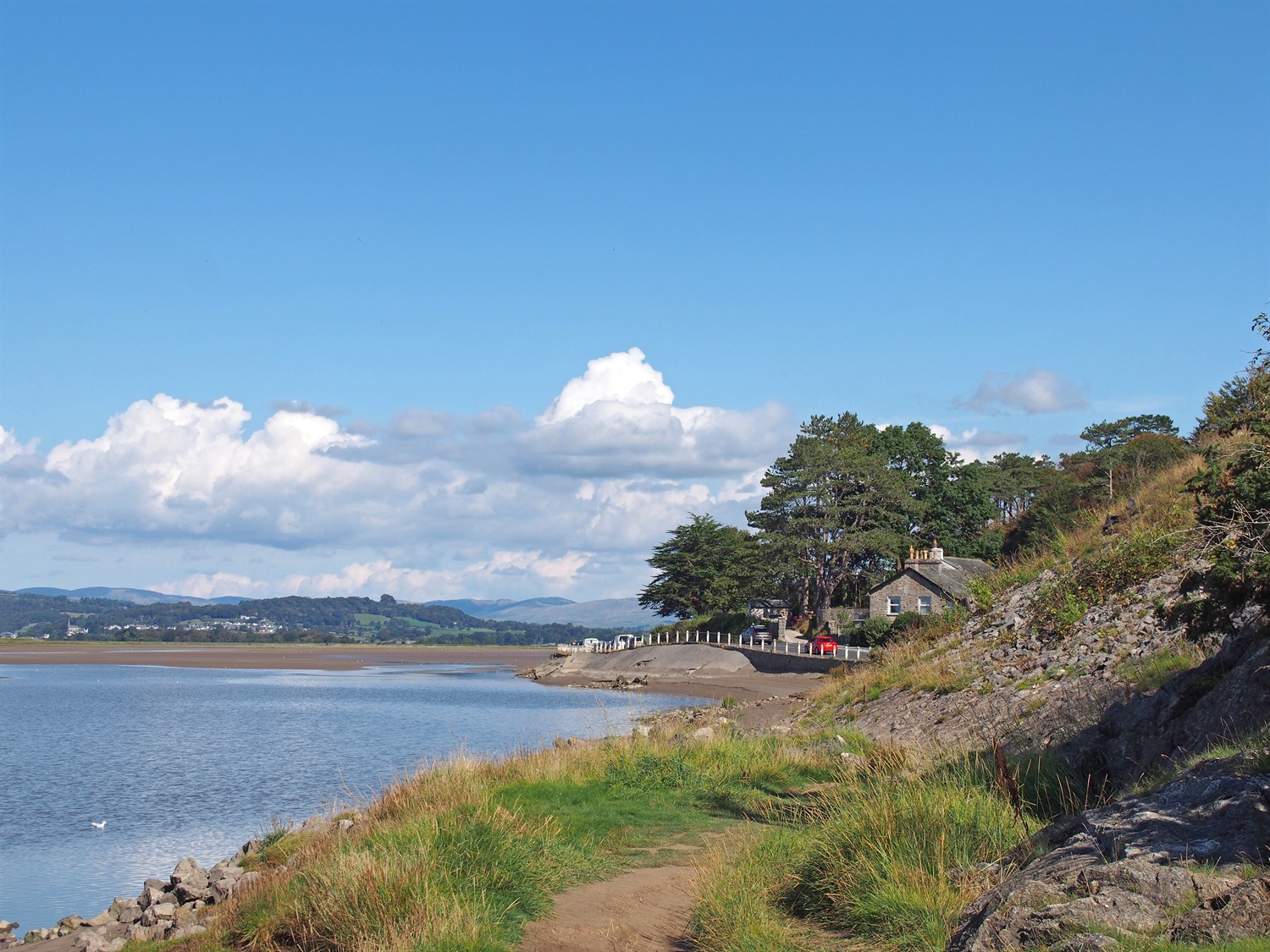
Either walk straight out of your hotel to start your walk, or choose to take the train or bus to Carnforth which cuts today's walk down to a more relaxed 12 miles. Stroll along the estuary and down a few back country lanes, visiting RSPB Leighton Moss reserve to see the ospreys (spring and late summer) before reaching the little town of Silverdale. There's a nice pub en route for lunch, The Silverdale Hotel, but do book ahead. You'll then head down to the sea-front to Silver Cove before walking through the National Landscape of Arnside Silverdale https://national-landscapes.org.uk/national-landscapes/arnside-silverdale. This is a favourite local haunt so expect to meet lots of families and dog-lovers out for an afternoon trip. If the weather's kind, there's a good ice-cream shop just as you hit the outskirts of Arnside and plenty of pubs and restaurant options in the seaside town itself. There's also a very good fish & chip shop - at the weekends, it's worth ordering ahead to skip the queue. If you are lucky you may see The Bore, a small tidal surge two hours before high tide and you'll hear a siren 30 minutes before it arrives to warn people off the sandbanks.
Accommodation: There's several welcoming B&Bs in Arnside. Your luggage will travel by taxi transfer
Day 3
Walk to Cartmel, Hamps Fell & Holker Hall
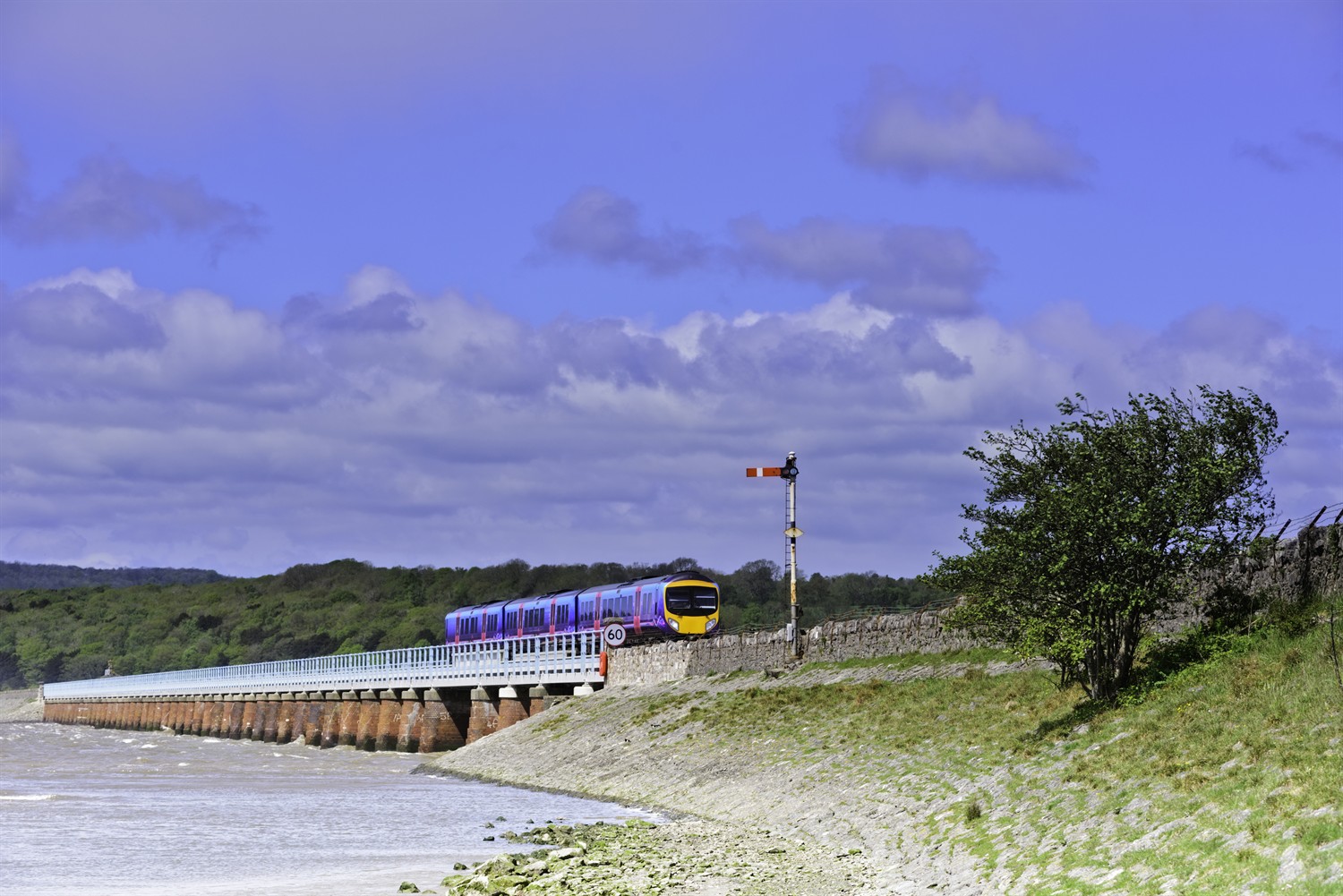
Take the local train over the estuary bridge to Grange-over-Sands, an elegant, quiet Edwardian seaside town. Take some time to walk down its mile-long traffic-free promenade and explore its independent shops before heading up Hampsfell for panoramic views over the Bay and Lake District fells. Make sure to take a look at the limestone pavement and climb the observation tower to name-check the local landmarks. Drop down to the medieval village of Cartmel and visit the Priory Church of St.Mary and St.Michael. There's a few eateries in Cartmel to enjoy, including the internationally famous, 3 Michelin starred restaurant L'Enclume, set in a 13th century blacksmiths. Onwards a short way to Holker Hall to explore its 23 acres of formal and woodland gardens - the family describes the gardens as 'a spectacular juxtaposition of whimsy, structure, drama and tranquil beauty'. You can also visit the house which is Neo-Elizabethan and filled with paintings and furniture from the family residence, Chatsworth House in Derbyshire. Afterwards it's a short walk to Cark-in-Cartmel station and your onward travel to the market town of Ulverston. There are some great bistros in town and some excellent pubs.
Accommodation: There are many guesthouses in Ulverston to choose from. Your luggage will travel by taxi transfer
Day 4
The Cistercian Way to Furness Abbey
If you feel like adding some additional ascent to your day, a short sharp walk up to Sir John Barrow's Monument delivers knock-out views of Morecambe Bay and the fells behind you. Otherwise make sure you've explored the alleys and cobbled streets of Ulverston before heading along the short Ulverston canal (built in 1796 to carry iron ore, gunpowder down to the esturary) to the rather unexpected Conishead Priory, a Buddhist Temple set in 70 acres of woodlands. The original abbey was founded in 1160 as a hospital for the poor and its kitchen garden is now the site of the Kadampa World Peace Temple. Leaving the Priory, you are now setting out on the Cistercian Way, a medieval pilgrimage route that ends at Piel Island. You'll pass through the little coastal village of Bardsea and visit Birkrigg stone circle, a Bronze age monument, as you head slowly upwards throughout the afternoon. The stately remains of Furness Abbey (last admission 1600 if you are keen to visit) will greet you as you approach the end of your day's walking - built of red sandstone 900 years ago, by Stephen, later King of England, Furness was England's second richest Cistercian abbey. Your accommodation is right next door to the Abbey.
Accommodation: Abbey House Hotel. Your luggage will be transferred separately
Day 5
Piel Island and Muncaster Castle
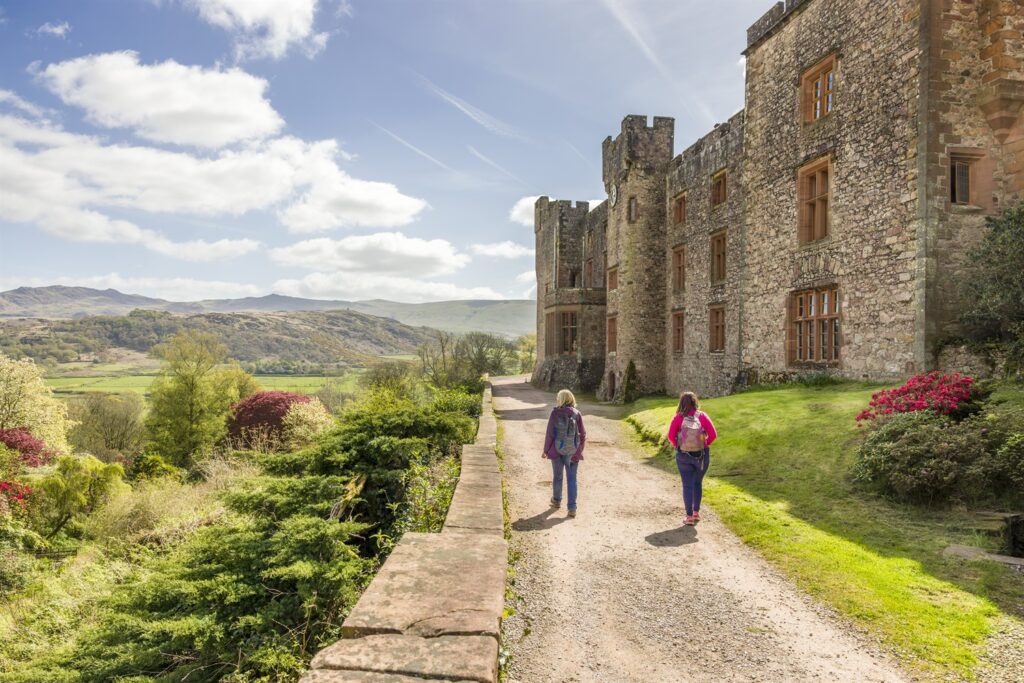
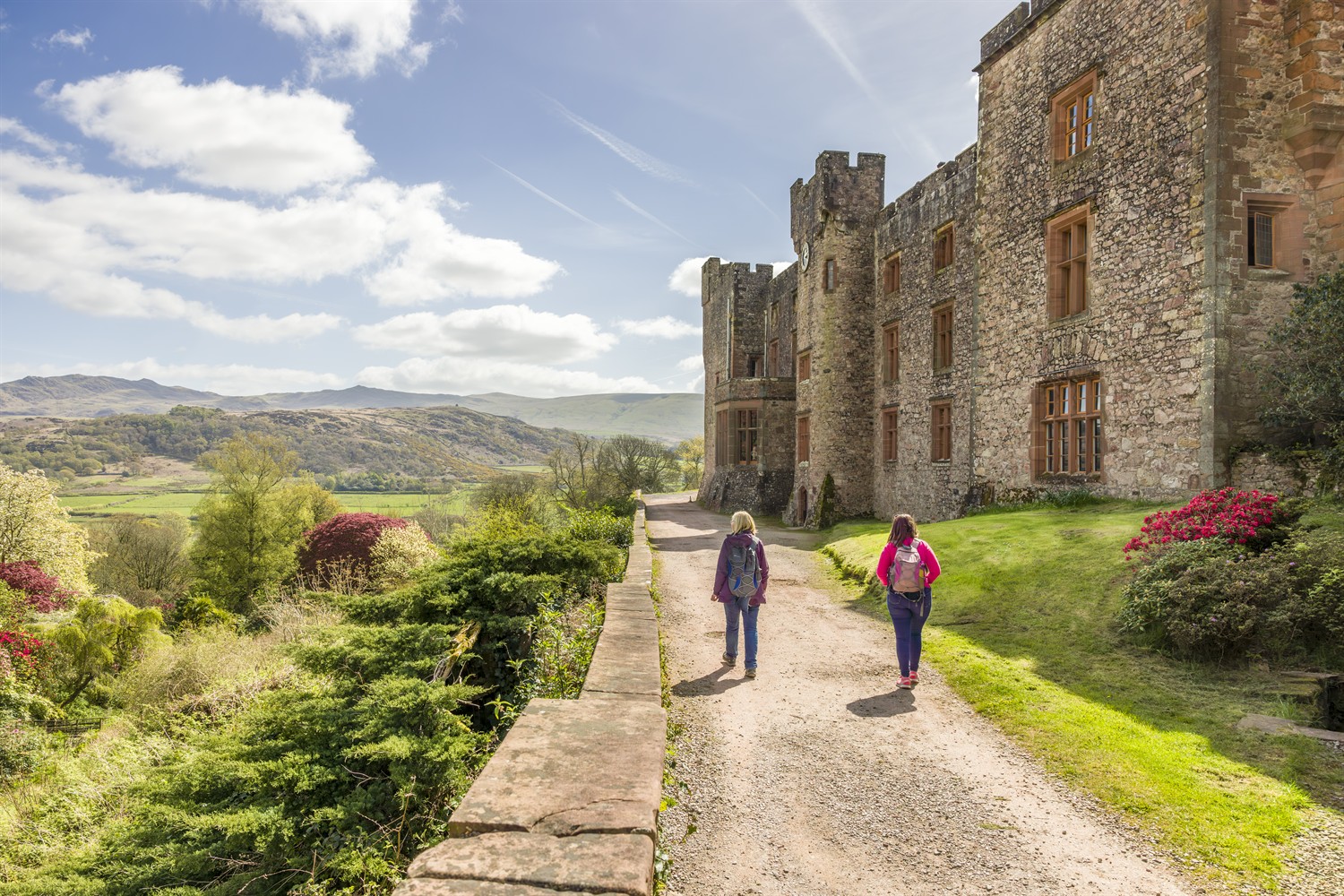
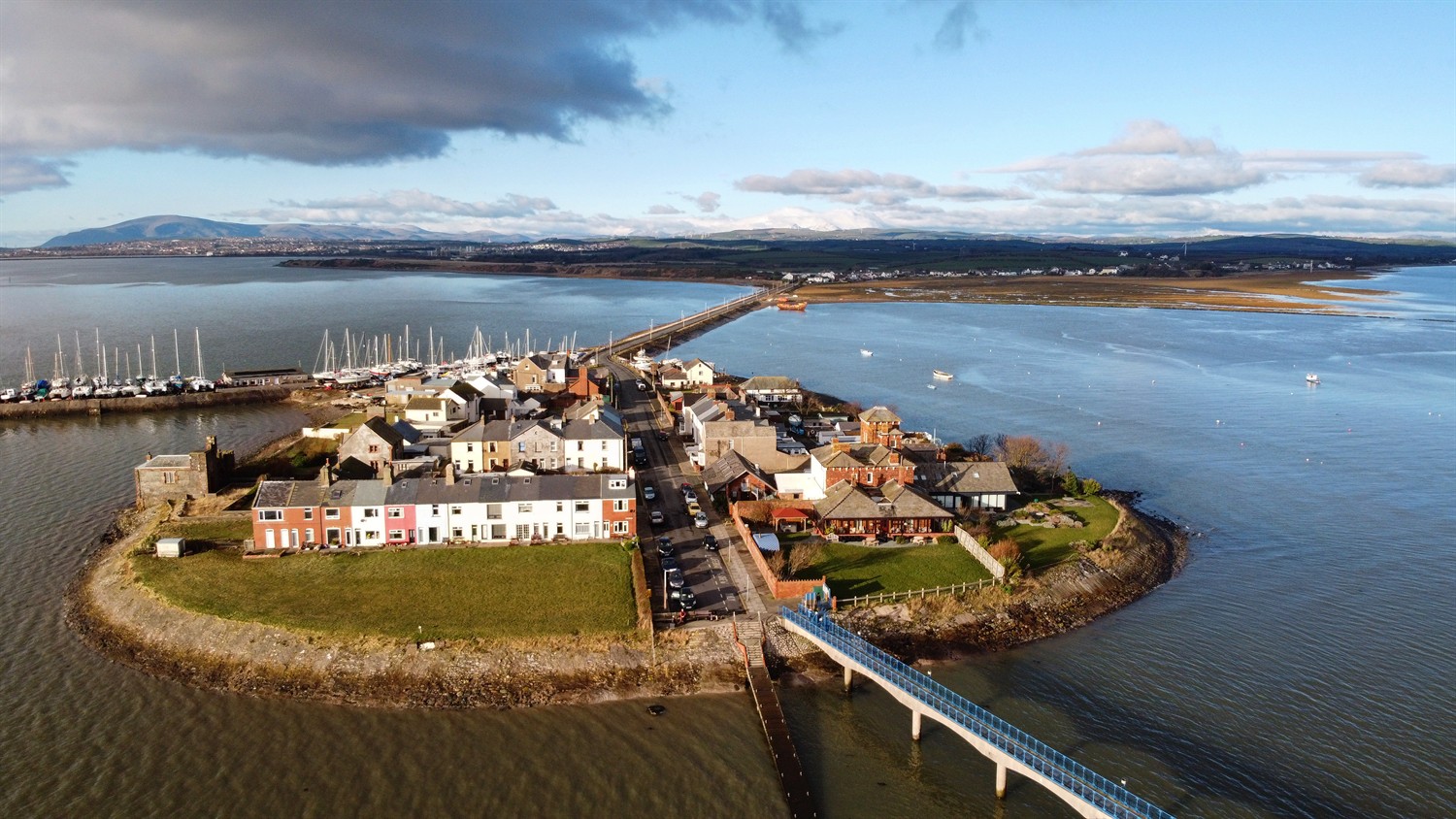
We recommend an early start today to make the most of your sight-seeing treats. You'll head off downhill to complete the Cistercian Way, enjoying views all the way down to Roa Island where you'll walk the causeway to take the tiny ferry boat to Piel Island. There's very simple luncheon fare at the Ship Inn, whose landlord is traditionally crowned the King of Piel Island - a light-hearted tradition that has endured for centuries. It's an unusual spot indeed, with a ruined abbey at one end - on a quiet day you can hear the local seal colony barking at each other - and on the other side a view of the huge shipping yards of Barrow. After lunch return on the ferry, take a short taxi to Barrow station (the taxi driver will have your luggage) and onwards on the train along the Cumbrian coast to Ravenglass. Here you'll drop off your bags for transfer while you walk up to Muncaster Castle for your overnight stay in the stables. As guests of the Castle, you have free access to the grounds after the other visitors have left, to enjoy one of the most dramatic settings of any castle in England, with views straight up into Eskdale and the highest fells of the Lake District.
Accommodation: Simple accommodation in the Stables of Muncaster Castle. An upgrade to stay in the Castle is possible at a premium price. Please ask for details.
Day 6
Walk Millom to Bootle
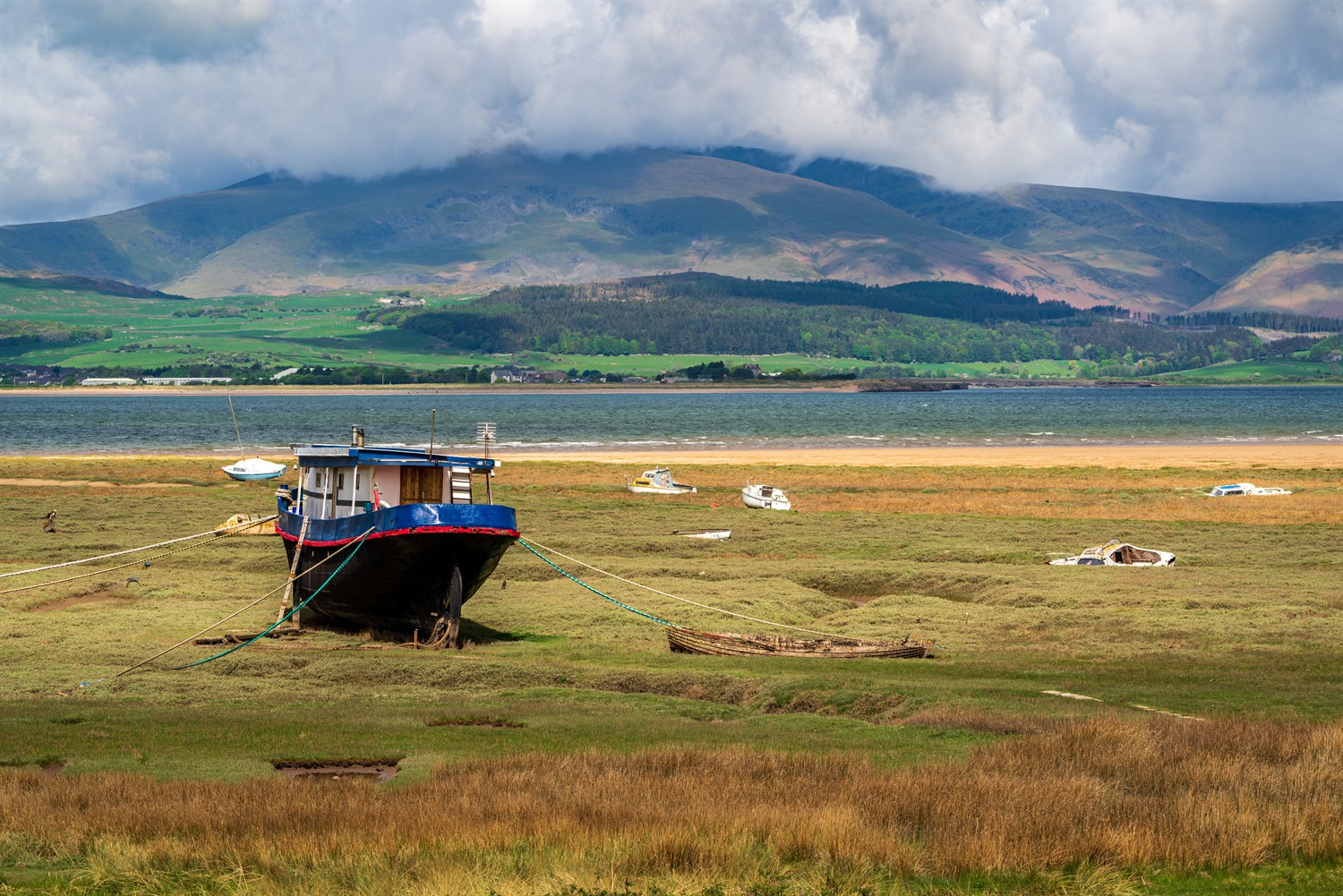
A leisurely start to the day walking down to the station at Ravenglass to take the local train to Millom. This is arguably the most off-the-tourist track walk of the holiday. You're very unlikely to meet any other tourists today, so enjoy feeling like one of the locals. Millom, set on the Duddon estuary, has a fascinating industrial and wartime history and an excellent bird reserve, Hodbarrow Nature Reserve - set in a flooded Victorian iron-ore mine. The beach stretches for 3 miles against the backdrop of Black Combe fell. You should reach the award-winning community cafe at Silecroft in time for lunch and then it's onwards along modest cliffs to Bootle. Along this section, enjoy the Herdwick sheep grazing in the fields, views of the Lake District, and keep your eye on the deserted beaches below for flocks of oyster-catchers. This is our favourite section of the walk. Hop back on the train at Bootle for the 10 minute journey back to Ravenglass.
Accommodation: The Pennington Hotel, Ravenglass. You can eat at the hotel or at the local pub - please book ahead for the pub as its tiny (and charming).
Day 7
Walk St Bees to Whitehaven
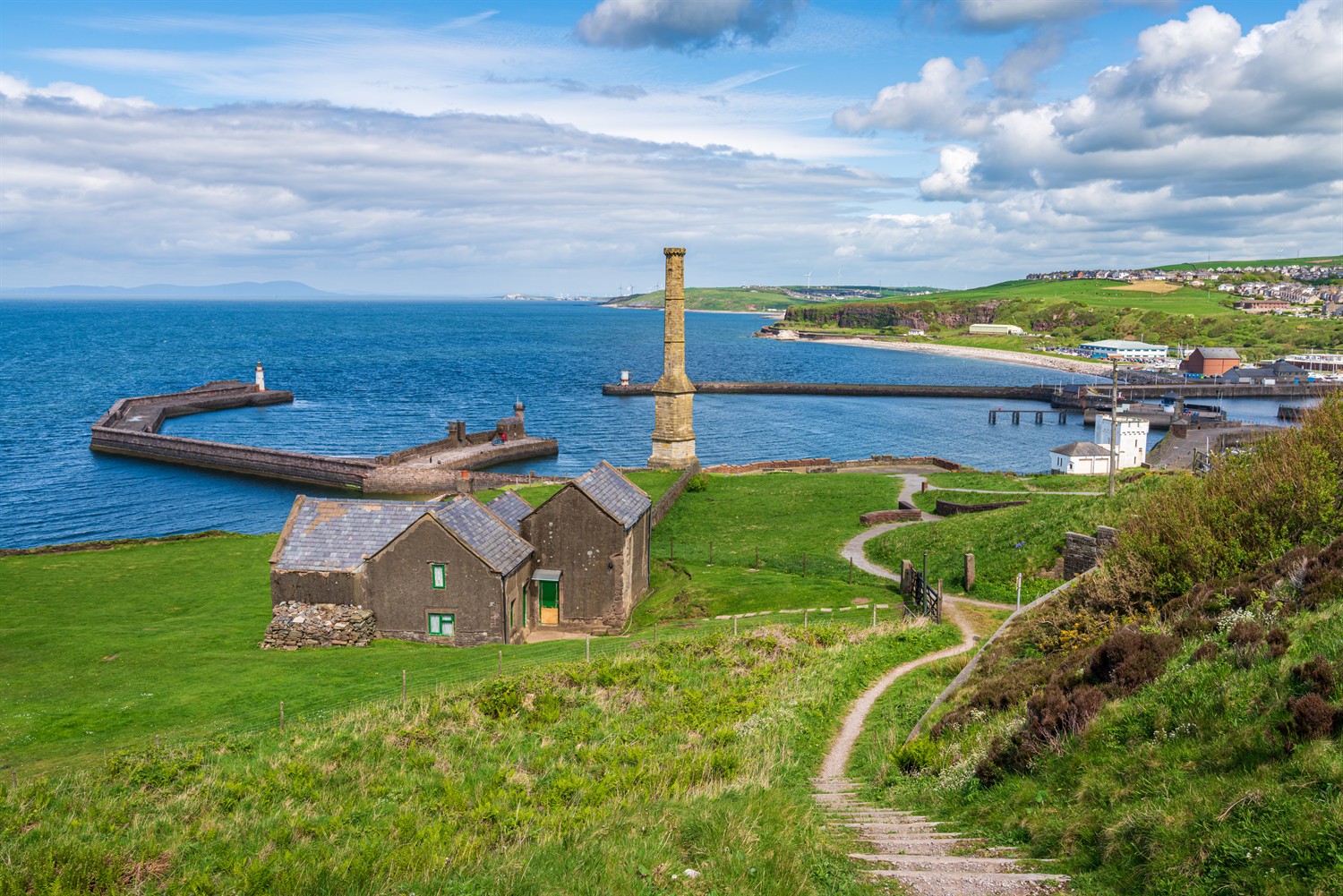
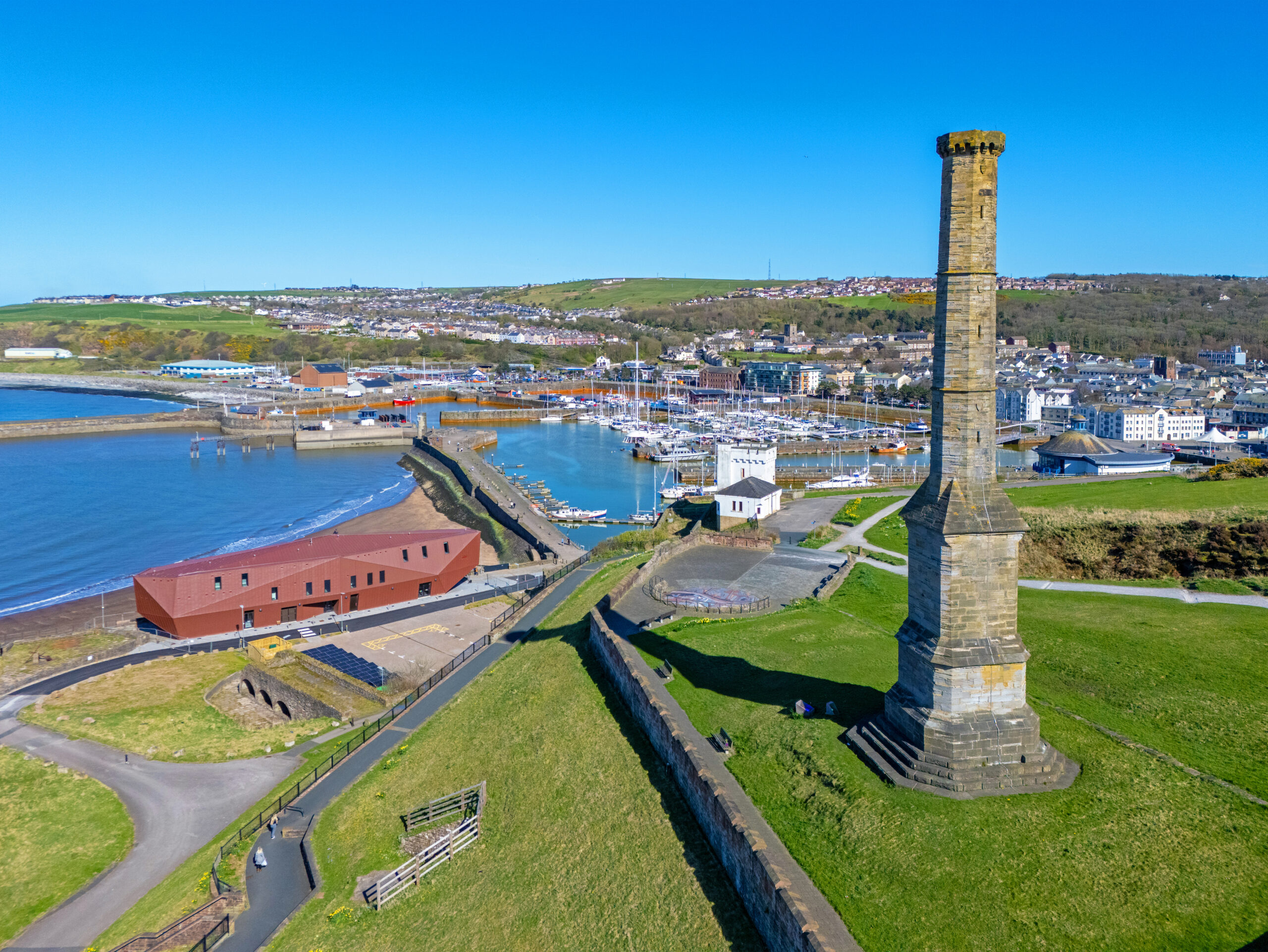
Today you'll take the train from Ravenglass to St.Bees. This is the start of Wainwright's Coast to Coast, so for the first part of the day you'll be walking on the famous national trail. Head out over St.Bees Head, the highest section of the Cumbrian coastline. This is a very popular headland for walkers and seabirds alike and it's worth taking your time to enjoy the views. We recommend grabbing snacks or a sandwich to-go at the Harbour front cafe in St Bees (a local institution so worth a visit anyway) so you can sit at St Bees Lighthouse and relax with some food. Then you'll follow the King Charles III Coast Path down to Whitehaven, a maritime port that was once the third-largest in the UK. It has a wealth of Georgian architecture, is listed as a 'gem town' and is undisputedly Cumbrian! You'll be staying at The Edge on Whitehaven's historic harbourside, a landmark new facility owned by a not-for-profit organisation that benefits the local community.
Accommodation: The Edge. Luggage transported separately from St Bees.
Day 8
Departure
The trip ends after breakfast when you depart the accommodation.
7 nights' accommodation (small hotels, lodges, pubs, and B&Bs)
7 breakfasts
One piece of luggage per person transferred between accommodations, not exceeding 20kg
24-hour telephone assistance
Digital information pack including Navigational App, maps and route notes
Travel to the start point and from the finish point
Travel insurance (required)
Lunches, dinners, snacks and drinks
Entrance fees and attractions
Personal equipment
Personal expenses, including laundry and phone calls
Unscheduled transfers required during the trip
Excess luggage charges
Single room or solo traveller supplements, where applicable
Guiding services – this is a self-guided holiday
Related Trips

Pembrokeshire Coast Path Central – Pembroke to St Davids – 8 days
The Pembroke to St Davids section of the Pembrokeshire Coast Path is a journey through some of the most varied and atmospheric landscapes…
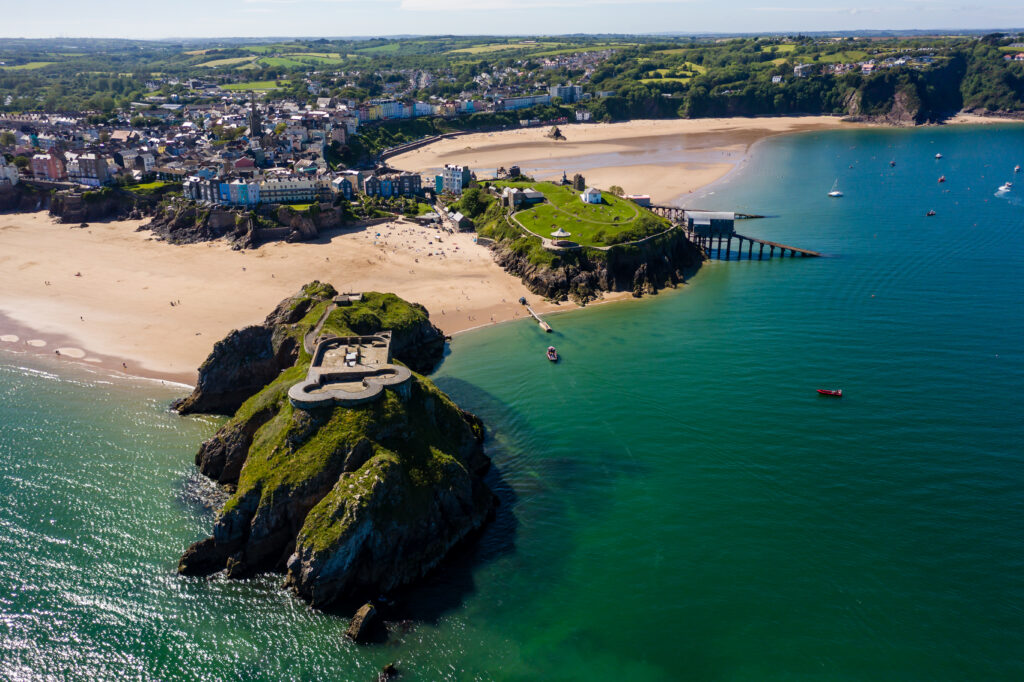
Pembrokeshire Coast Path South – Amroth to Pembroke – 7 days
The opening stretch of the Pembrokeshire Coast Path, from Amroth to Pembroke, sets the tone for the entire National Trail. It blends gentle…
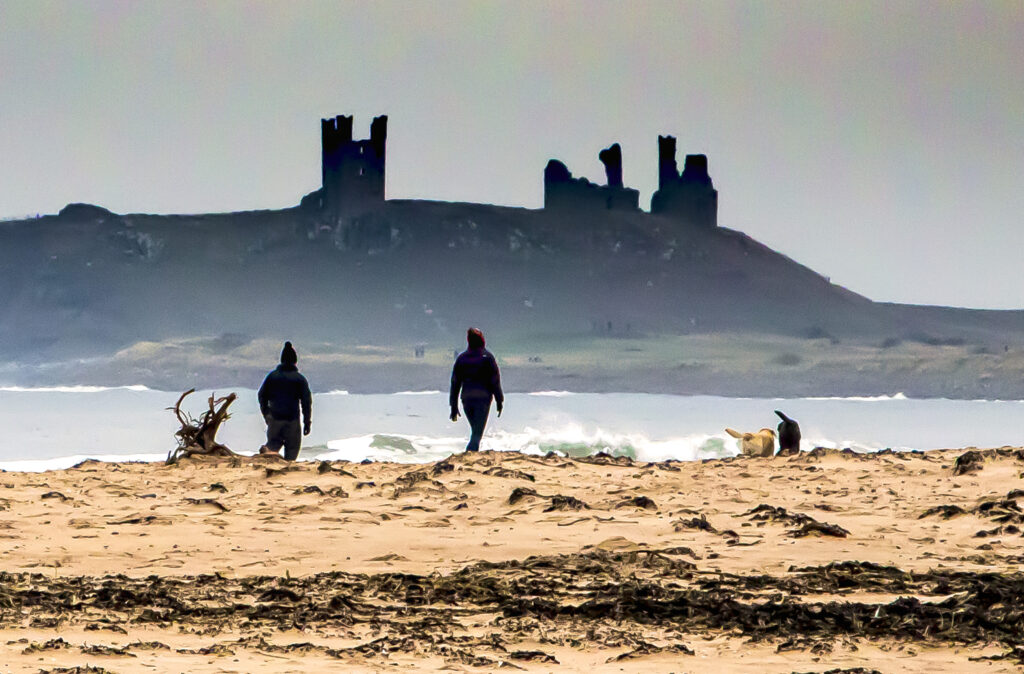
Northumberland Coast Path Highlights – Warkworth to Berwick-upon-Tweed – 5 days
We’ve picked, with some difficulty, the highlights from a section of the English coast absolutely packed with delights. This 5-day trip visits castles,…