
- Overview
- Trip Outline
- Trip Includes
- Trip Excludes
- Gallery
Highlights
• Walk a classic section of the South West Coast Path from St Ives to Land's End
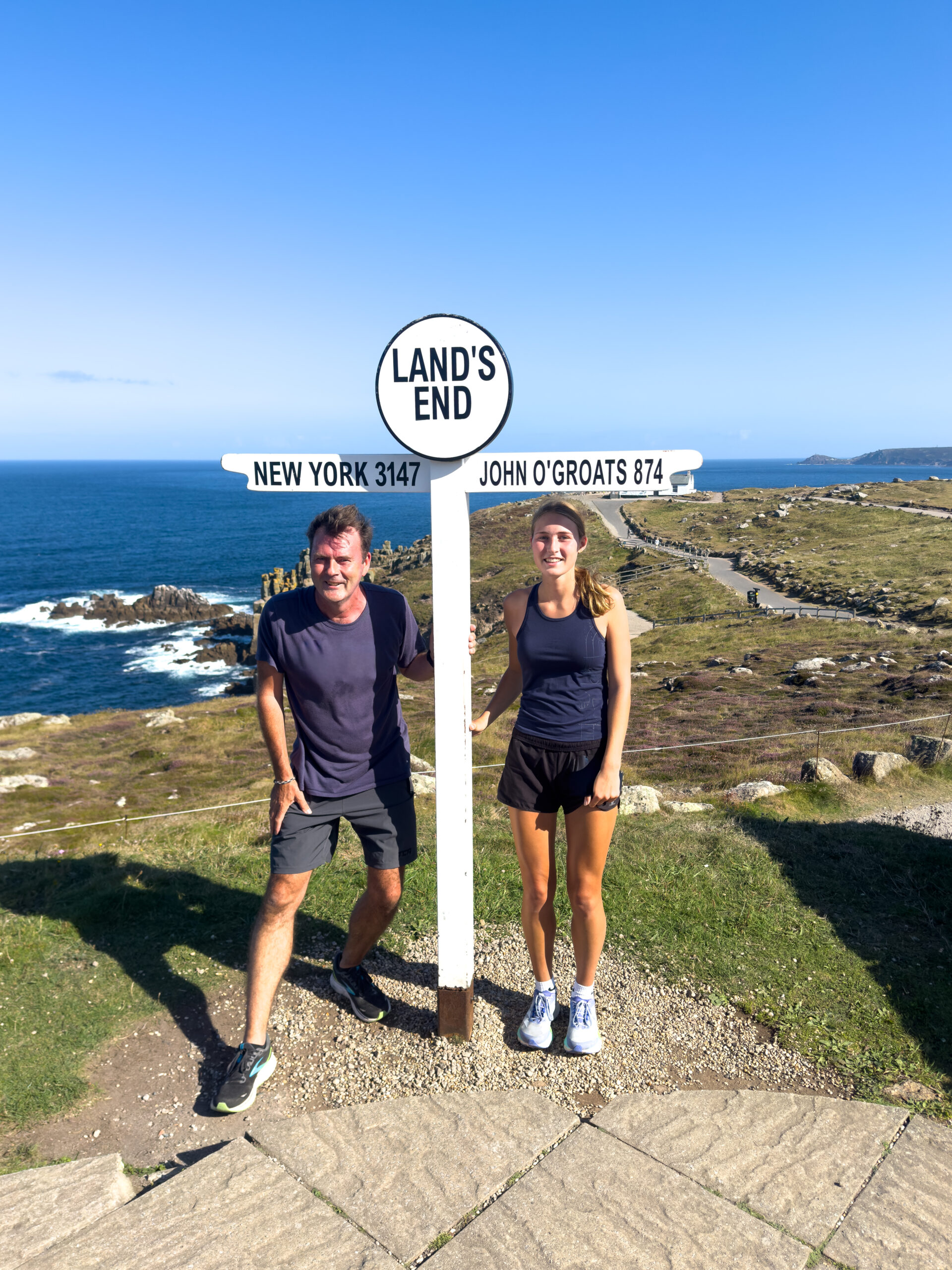
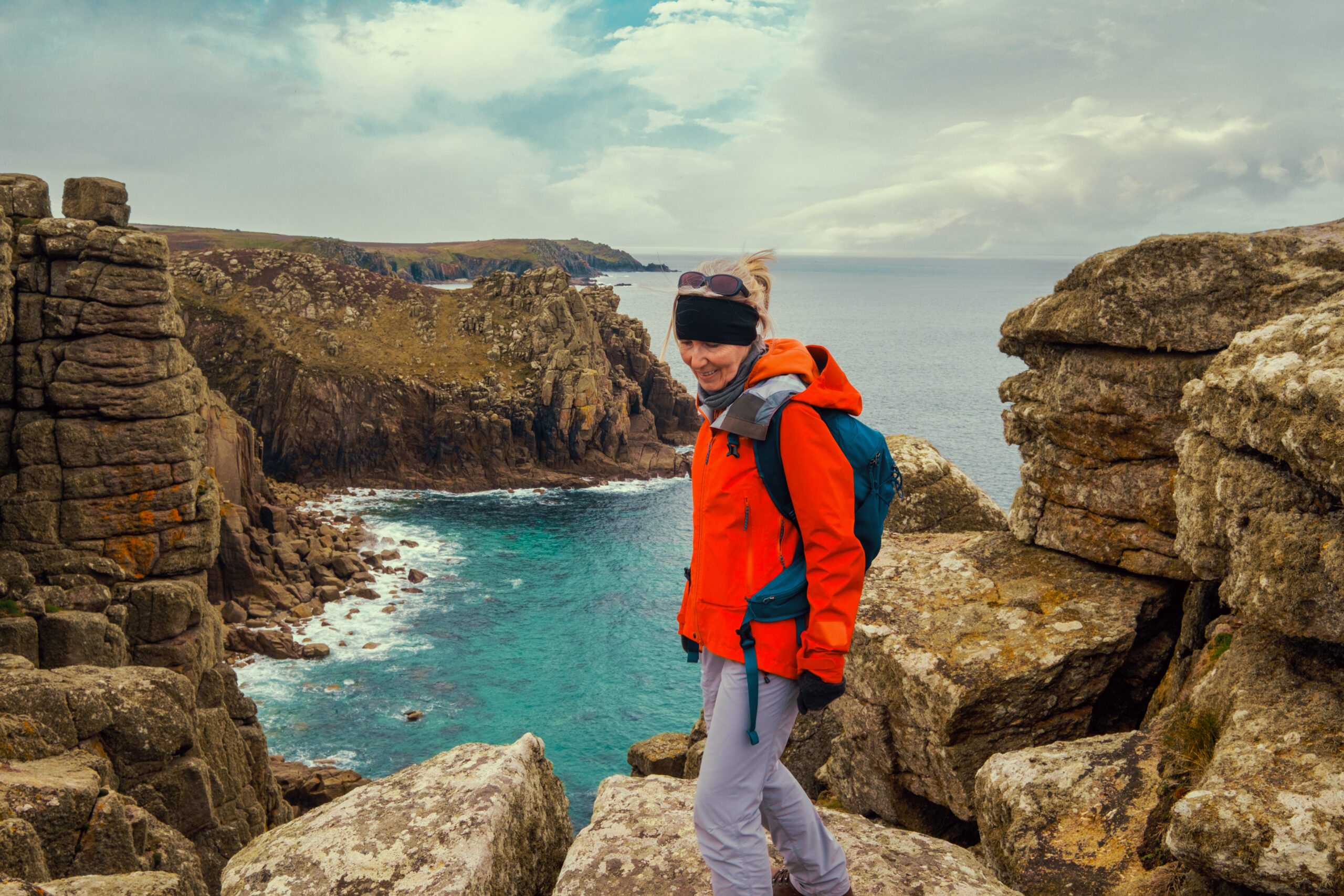
• Dramatic clifftop walking with far-reaching Atlantic views
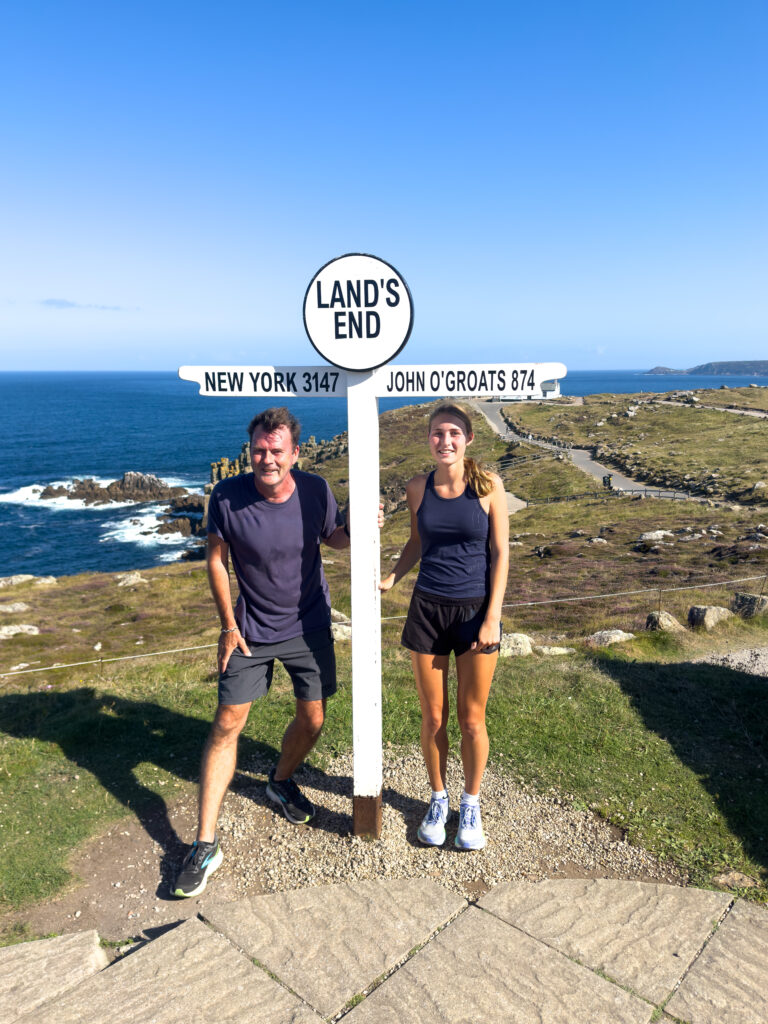
• Visit Land’s End, the most westerly point of mainland England
• Discover hidden coves, golden beaches and old smuggler’s paths
• Experience Cornwall’s rich artistic, maritime and tin-mining heritage
• Enjoy fresh local seafood and Cornish pasties along the way
Itineraries
Day 1
Arrive in St Ives
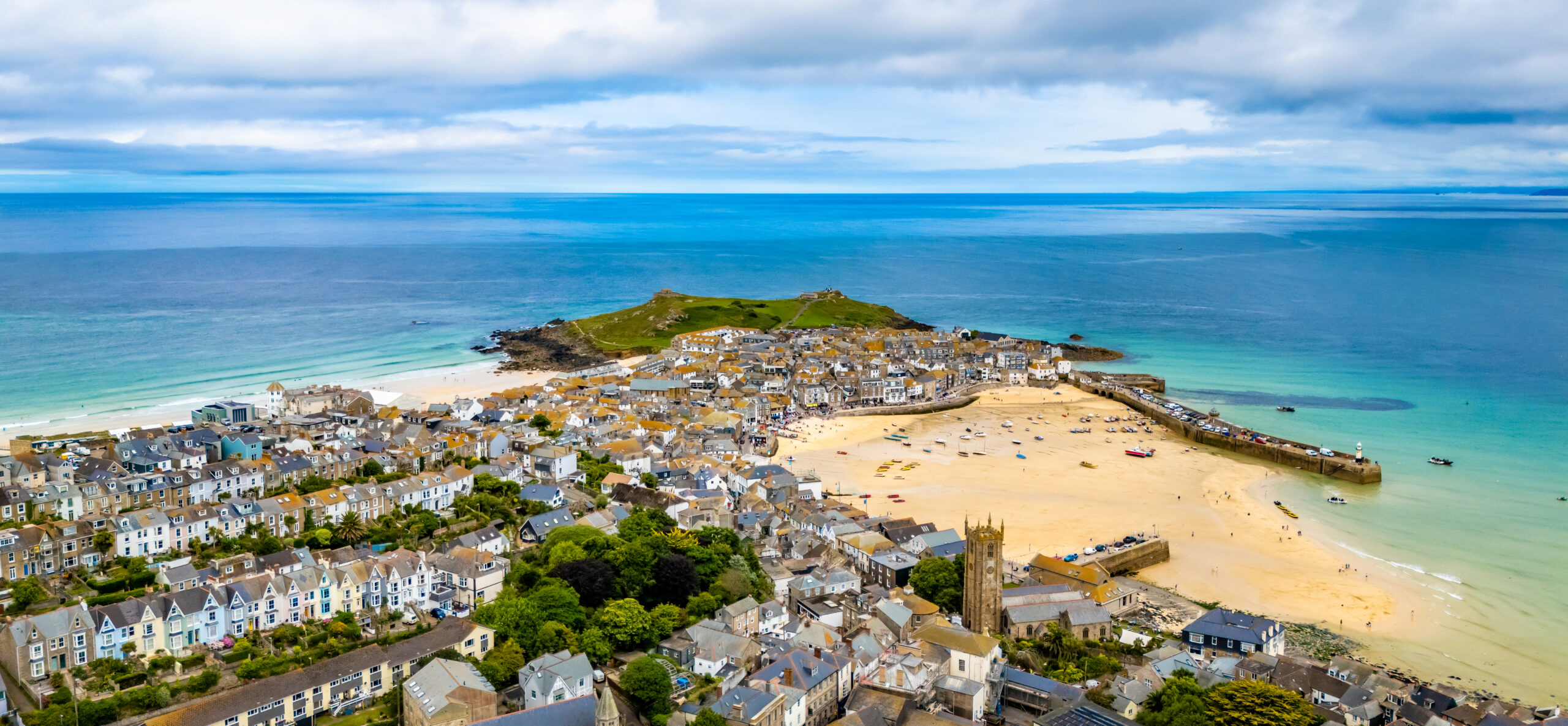
Make your own way to St Ives. This beautiful cobbled-lane fishing village dates back to AD460, when the missionary St. Ia- daughter of an Irish chieftain- landed here and gave her name to the settlement in a similar way to how St. Beda gave her name to St. Bees in Cumbria. Protected from Atlantic storms, St. Ives was once the most important fishing port in Cornwall but, like elsewhere on the surrounding coast, by the beginning of the 20th century the fish stocks became depleted, and the fishing fleet largely disappeared. However, as early as 1811, Turner visited to paint the seascapes and by the late 1880s there were several painters in residence and the town became famous for its vibrant artists' colony. This perhaps reached its heyday during the late 1940s and the 1950s. Today their work can be seen in the St Ives Tate Gallery, with its popular roof restaurant, the Barbara Hepworth Museum, and the Bernard Leach Gallery. This is also a great place for fish & chips, and extra nights are recommended.
Accommodation: There is a mixture of accommodation here for us to book ranging from B&Bs to Hotels.
Day 2
St Ives to Zennor
Enjoy a hearty breakfast as there is some tough up and down and occasionally boggy walking for the next two days. Fortunately, the days are quite short in distance and the seascapes are beautiful! Around St. Ives Head, the walk passes St. Nicholas Chapel (patron saint to seafarers) and a hut that was used for spotting pilchards from the cliffs. As you leave St.Ives the number of walkers rapidly diminishes, as does your pace as the path roller-coasts through a series of steep dips. After the River Cove, you descend to rocks where you can sometimes see seals basking on the rocks. There is then a final steep climb, from where you have to take a path going inland half a mile to the village of Zennor, which has a quaint church, a small museum on Cornish life, and a great old pub called The Tinner’s Arms. D.H Lawrence arrived here in 1916 and wrote ‘Woman in Love,’ inviting Katherine Mansfield over but she was frightened by the seagulls and had to leave! Lawrence, who had failed to pass the army medical and was married to a German, raised local suspicions. They presumed that the pair were spies signaling German submarines and they were officially ordered to leave! You might want to look out for the standing stones, ringed ‘quoits’ and other prehistoric remains on the moors above the village.
Accommodation: You will stay in one of the accommodations here in Zennor. There aren’t many to choose from.
Day 3
Zennor to Pendeen Watch
Returning to the coastal path, thread your way through beautiful coves to Gurnard’s Head. Being wary of tin mine shafts you can look around the prehistoric fort site at the head. Just before you reach Pendeen, there is Geevor tin mine - which is open March to October for guided tours - and at Pendeen Watch an afternoon visit to the lighthouse is possible.
Accommodation: Pendeen Watch, The North Inn dates back to 1860 and has been carefully restored to bring the old and new together. You will stay in one of these accommodations.
Day 4
Pendeen Watch to Land's End
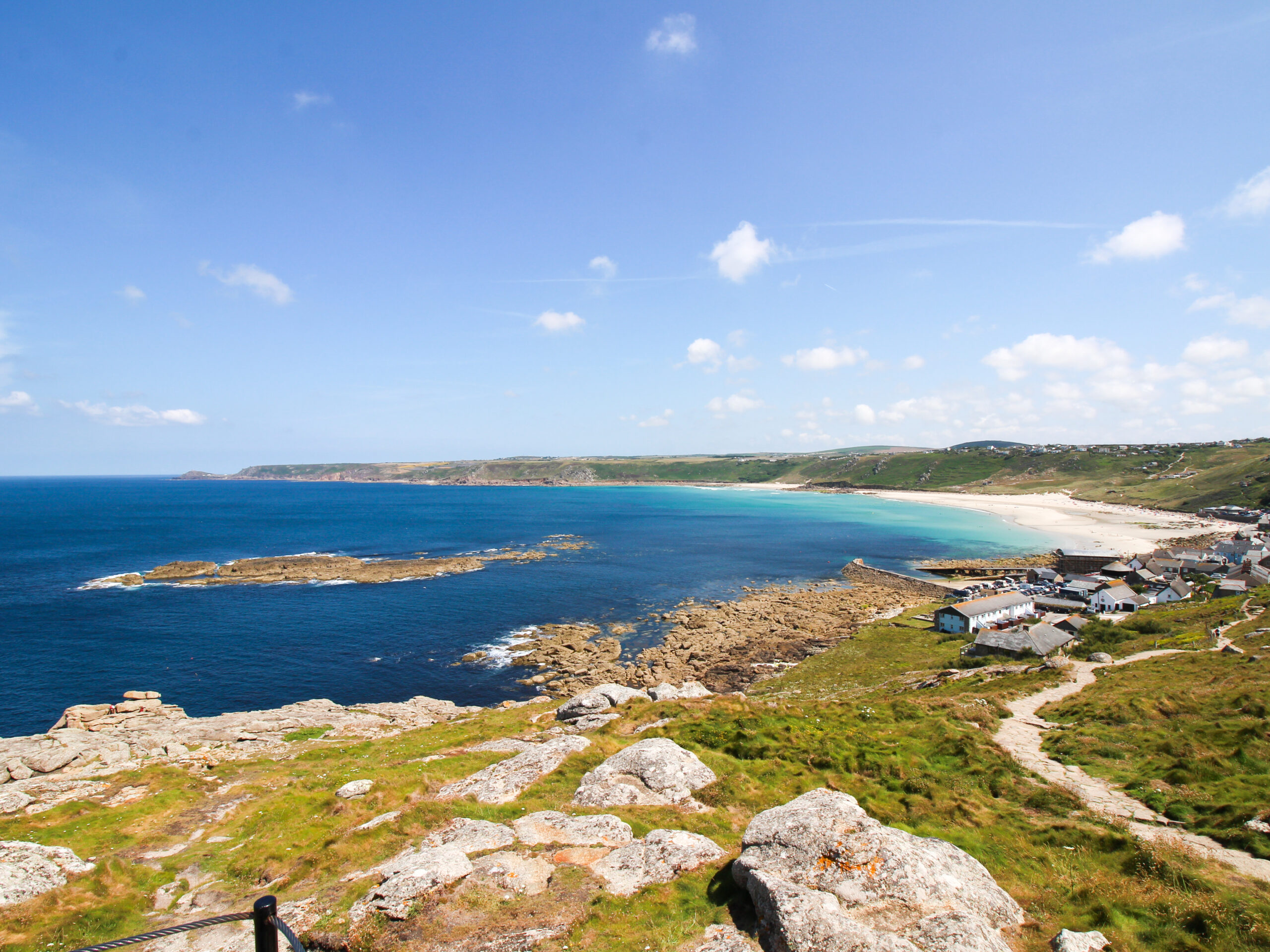
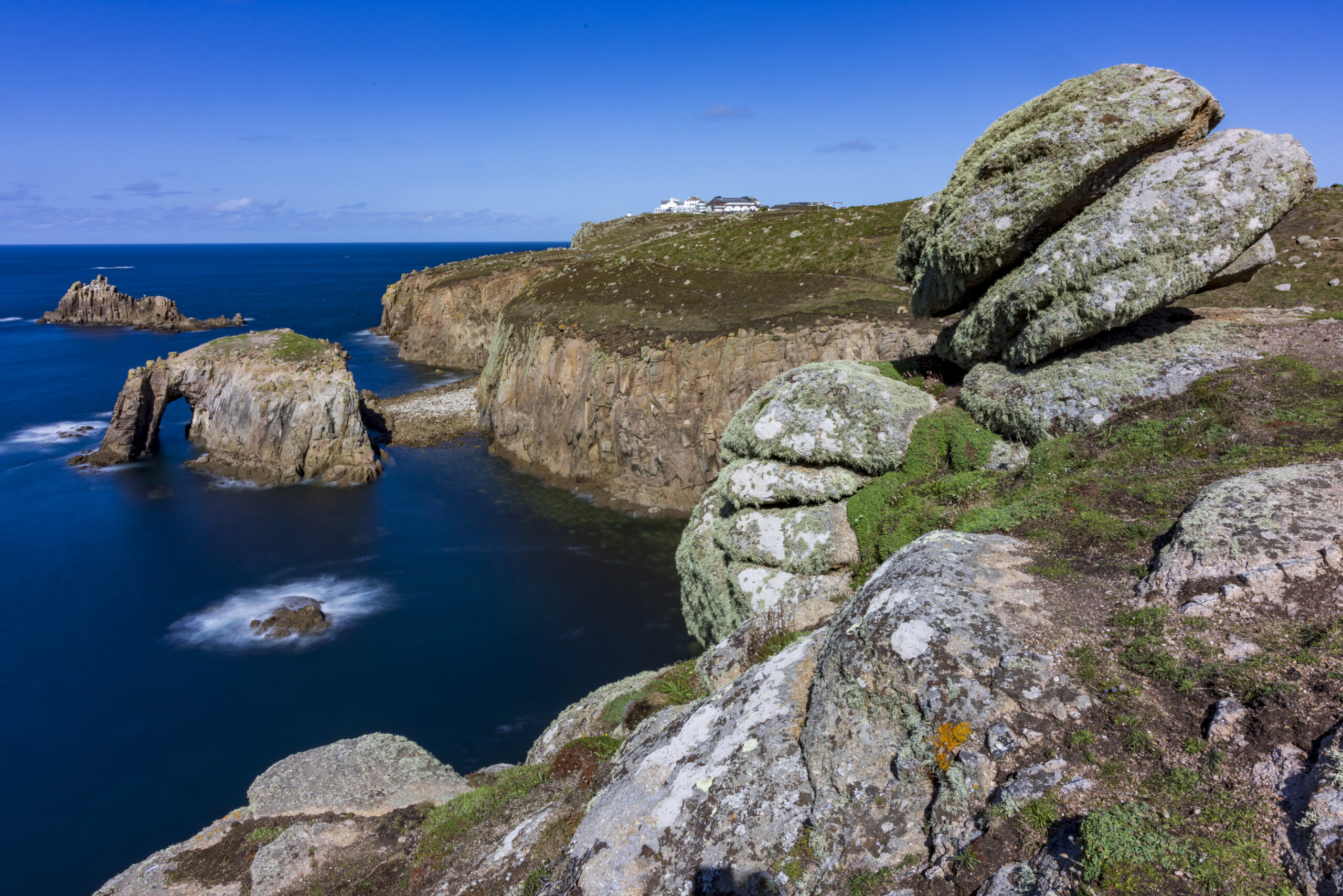
The first part of the walk is quite easy, following the cliff tops around the old lead and tin mines, through the detritus of hundreds of years of activity. You pass Levant Mine - that closed in 1919 after an accident there killed 31 miners, however, there is a restored beam engine which can be visited in the summer. Next is Crowns Mine at Botallack, perched on the rocks. The path skirts inland beside Cape Cornwall, once thought to be England’s most westerly point until they worked out that it was in fact Lands' End. Continuing you pass Carn Gloose - where a walled pit is thought to be a Neolithic shrine. Then it is past the village of St. Just, which has a square where ‘miracle plays’ were performed in Mediaeval times, then past the beach at Whitesand Bay to Sennen Cove, a pretty fishing and tourist port. You are then a short walk from your final destination, Land's End, a most dramatic and fitting place to end your trip.
Day 5
Departure
Your trip ends after breakfast. Buses depart back to St Ives or onto Penzance from Land's End throughout the day.
4 nights' accommodation (small hotels, lodges, pubs, and B&Bs)
4 breakfasts
One piece of luggage per person transferred between accommodations, not exceeding 20kg
24-hour telephone assistance
Digital information pack including Navigational App, maps and route notes
Travel to the start point in St Ives and from the finish in Penzance
Travel insurance (required)
Lunches, dinners, drinks and snacks
Entrance fees and attractions
Personal equipment
Personal expenses, including laundry and phone calls
Unscheduled transfers required during the trip
Excess luggage charges
Single room or solo traveller supplements, where applicable
Guiding services – this is a self-guided holiday

Related Trips

Pembrokeshire Coast Path Central – Pembroke to St Davids – 8 days
The Pembroke to St Davids section of the Pembrokeshire Coast Path is a journey through some of the most varied and atmospheric landscapes…
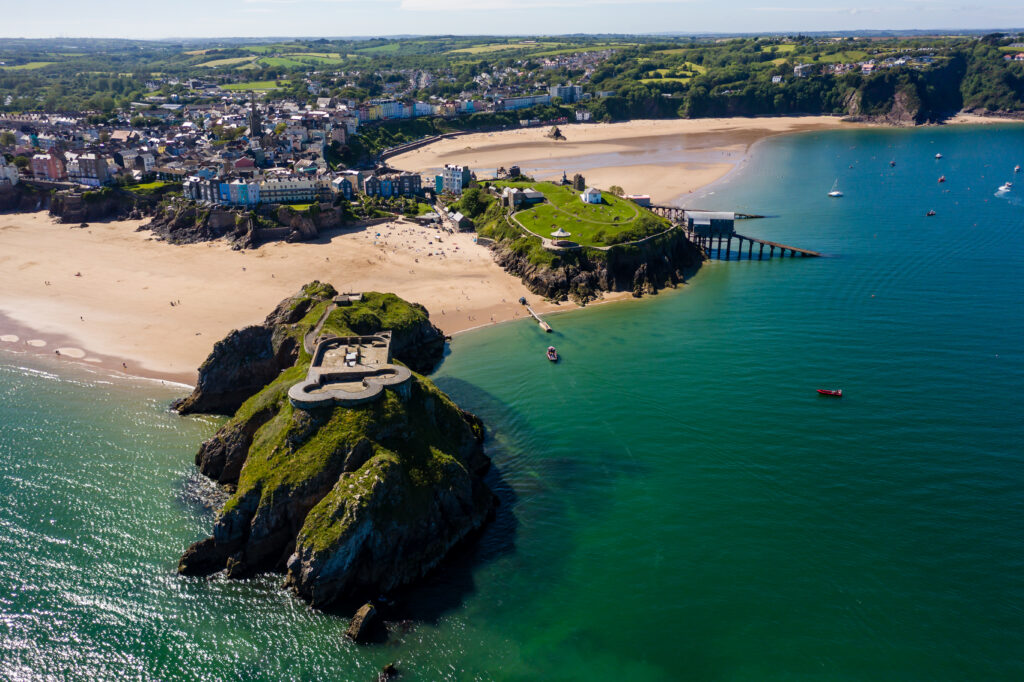
Pembrokeshire Coast Path South – Amroth to Pembroke – 7 days
The opening stretch of the Pembrokeshire Coast Path, from Amroth to Pembroke, sets the tone for the entire National Trail. It blends gentle…
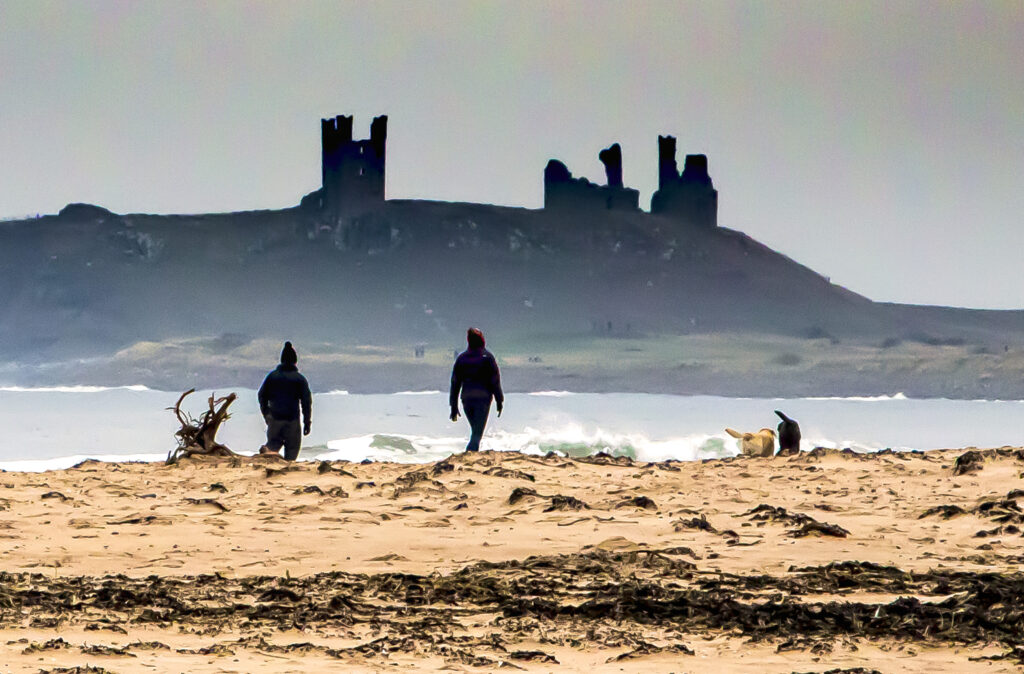
Northumberland Coast Path Highlights – Warkworth to Berwick-upon-Tweed – 5 days
We’ve picked, with some difficulty, the highlights from a section of the English coast absolutely packed with delights. This 5-day trip visits castles,…