
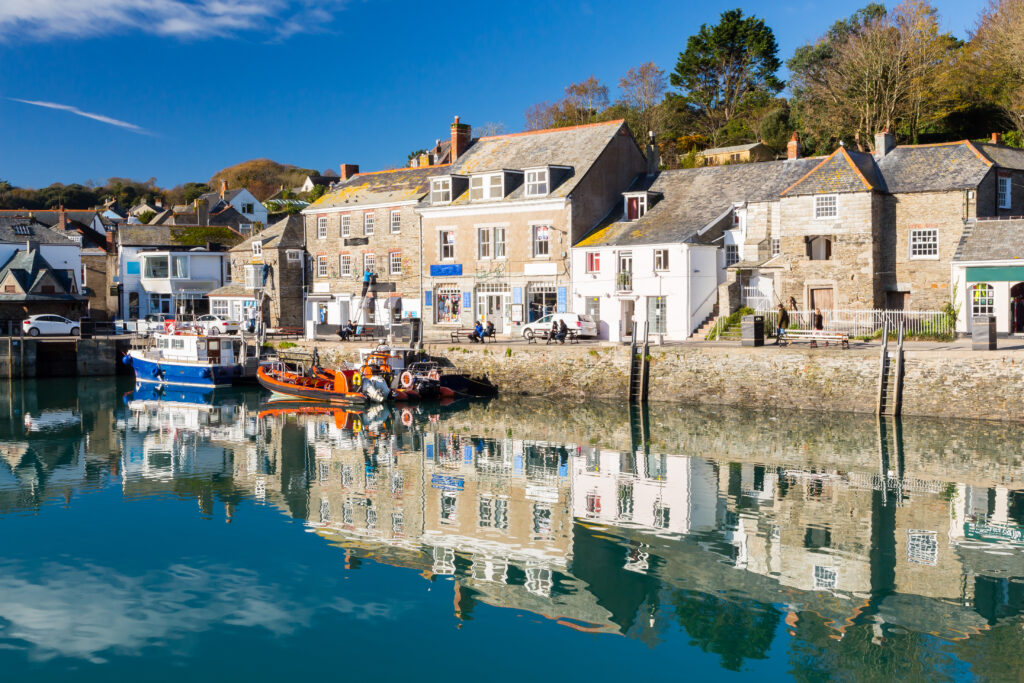
- Overview
- Trip Outline
- Trip Includes
- Trip Excludes
This rollercoaster journey follows the South West Coast Path from Westward Ho! in Devon to the harbour town of Padstow in Cornwall, and is widely regarded as one of the most challenging sections of the entire trail. The route constantly rises and falls as it threads its way along high cliffs, dips into secluded coves and passes through quiet fishing villages where the rhythm of life still follows the sea.
The landscape is varied and dramatic, with wide Atlantic views, rugged headlands and a rich abundance of wildlife. Seals are regularly seen along the shoreline, with dolphins and seabirds frequently spotted offshore, and, at the right time of year, even puffins returning to their nests.
Alongside the natural scenery, the walk is rich in history and character. Highlights include wandering the steep, cobbled streets of Clovelly and exploring Tintagel Castle, famously linked to the legends of King Arthur. Fashionable seaside towns such as Westward Ho!, Port Isaac and Padstow add contrast and comfort, making this a demanding but deeply rewarding coastal adventure.
Highlights
• Walk one of the most demanding and rewarding sections of the South West Coast Path
• Cross from Devon into Cornwall along a dramatic Atlantic coastline
• Explore the cobbled streets of the historic fishing village of Clovelly
• Visit Tintagel Castle, steeped in the legends of King Arthur
• Pass through classic seaside towns including Westward Ho!, Port Isaac and Padstow
• Excellent chances to spot seals, dolphins and seabirds along the coast
Itineraries
Day 1
Arrival in Westwood Ho!
Arrive in Westward Ho! and check in to your accommodation. This is the only town in the UK to have an exclamation mark as part of its name. It was so named after the namesake book by Charles Kingsley, a Victorian best seller and brought a wave of tourism to the area, which led to the creation of the village. The seafront is one of North Devon’s most popular surfing and swimming spots.
Accommodation: We use a range of accommodation including B&B’s, guesthouses and Inns.
Day 2
Walk to Clovelly
Enjoy an easy start to the day following an old railway track out of the town and up on to the cliffs where you join the Coast Path. With your legs gently warmed up, now it's time to tackle some strenuous ascents and descents along open cliff tops and then into woodlands. Your target for the day is the beautiful village of Clovelly. You'll drop down from the coast path to its to explore this historic fishing village. Clovelly has a darker past than its charming cobbled streets might suggest. In the 17th, 18th and 19th century, its community was involved in both smuggling and wrecking - the latter was a practice of ransacking shipwrecks for their cargo. It's also here that Charles Kingsley found inspiration for his children’s classic The Water Babies and the village has featured in many T.V. programmes and films such as Treasure Island.
Accommodation: A beautiful cottage set halfway down Clovelly’s famous high street dating from the 14 century (1361) and is still traditionally heated by a solid fuel Aga & wood burners. the front garden is an award winning garden of camellias, roses and various flowers.
Day 3
Walk to Hartland Quay
Today’s challenging section leads you through the stunning, contrasting landscapes of the Hartland Peninsula. You emerge from ancient woodland to follow the path through pastoral land on the open cliff tops and on reaching Hartland Point there are views to Lundy Island. From here leaving the valleys and woodland behind, you suddenly enter a more barren and dramatic landscape along the rocky coast to Hartland Quay. Screaming gulls, coastal waterfalls and wild flowers give this section a remote feel. The spectacular cliffs at Hartland Quay with their incredibly contorted rock layers are always dramatic and at low tide there is plenty of sand, rock pools and rocks to scramble over. In wild weather it is the perfect place to appreciate the power of the sea and wind as the waves crash against the cliffs and shore. Hartland Quay was built towards the end of the 16th Century being one of many quays along the coast. Heavy goods such as lime, slate and coal were shipped in from across the Bristol Channel and local produce such as barley and oats would have been shipped out. With the arrival of the railway in Bideford, maintenance of the pier ceased until members of the Hartland Boat Club constructed the present slipway.
Accommodation: The Quayside buildings were converted into a hotel and pub at the end of the 19th Century and now has a series of modern rooms in an old style setting.
Day 4
Walk to Morwenstow
A challenging section with some very relentless and tiring ascents and descents, isolation and of course stunning views. See the most impressive waterfall on the whole SWCP, the 15m high Speke’s Mill Mouth Waterfall, although it falls 48 metres in 3 steps. located in a stunningly beautiful area of hanging valleys and high cliffs, where seabirds swoop and wildflowers flourish on the clifftops. You now cross the county border into the Cornwall and into Mowenstow. This charming village is associated with a history of ship wrecks off the near Sharpnose Point and eccentric vicar and poet Robert Stephen Hawker (1803–1875), the writer of Cornwall’s anthem Trelawny. Hawker is also credited with reviving the custom of Harvest Festivals. On the cliff edge there is the National Trust’s smallest building,”Hawker’s Hut,” overlooking the sea. the village however is slightly in land.
Accommodation: a 13th Century country pub, riddled with history and intrigue, cosy ensuite rooms. In the Summer enjoy the outdoor seating in the beer garden with beautiful sea views. Good pub food served.
Day 5
Walk to Bude
There are stunning views and some rugged walking, especially from Higher Sharpnose Point and Steeple Point. The rocky shoreline was notorious for shipwrecks with over 150 ships lost on the rocky outcrops between Morwenstow and Bude alone. Stroll on past tumbling waterfalls, across secluded combes, before easing on the approach to Bude above and along the beach. Bude was a romantic Victorian sea-side resort and there are still traditional beach huts facing its long stretch of yellow shell based sands.
Accommodation: There are some gorgeous family ran B&Bs in Bude
Day 6
Walk to Crackington Haven
The easy grassy cliff path along the back of the beaches from Bude to Widemouth Bay may mislead you into thinking the whole day will be like this. However the path soon becomes challenging as it becomes rough and narrow in places and plunges into steep valleys, including Scrade which is one of the deepest and steepest valleys on the Cornwall section of the Coast Path. There are vast open views of the Atlantic from high cliff top paths where you are always conscious of the force of the sea and winds due to the uneven ground and crumbling cliffs below you. Tintagel Castle gradually approaches on this dramatic walk. Eventually you descend into Crackington Haven where the surrounding cliffs are well known for their visible folded sedimentary rock formations. The village gives its name to the Crackington formation, a sequence of Carboniferous sandstones and grey shales. The village has tea rooms, and a pub called the Coombe Barton Inn in a building which was originally the house of the manager of a local slate quarry.
Accommodation: A small pub hotel right on the sea front, relax with good food and Cornish keg real ales. There is a traditional menu, sourcing the local, freshest ingredients and there are superb views across the bay or in the glorious summer months outside on the raised decking overlooking the beach. All guestrooms include coffee/tea makers, private bathrooms, and televisions.
Day 7
Walk to Tingtagel
Today’s walk is full of impressive rock formations, as you will be climbing through valleys and across cliffs with spectacularly sheer drops to the Atlantic below. There's great bird watching opportunities including peregrine falcons and you may also spot the herds of Soay sheep and goats whose grazing helps to encourage the growth of the wildflowers. There is also the highest cliff on the whole Cornish section of the coastal path, called ‘High Cliff’ towering 223 metres above the Atlantic Ocean and a waterfall called Pentargon. You also get to visit Boscastle, with its ancient harbour almost invisible from the sea. It is a beautiful fishing village in the bottom of a rugged, steep sided valley. Then it is on to famous Tintagel - where they say there has been more imported post-Roman pottery excavated than from the rest of Britain put together. And this fact, along with the heroic and mysterious literary legends of King Arthur, which surround the area, is a real attraction. Tintagel Head was originally a Roman settlement and a Celtic fortress, but most of the ruins are those of the 13th century castle built by Geoffrey of Monmouth.
Accommodation: Situated near Tintagel Castle our guest House has 7 rooms available throughout the year. All are ensuite except the single.
Day 8
Walk to Port Isaac
After an easyish warm-up walk out of Tintagel the day presents a pretty hard trek to Port Isaac, especially between Trebarwith Strand and Port Isaac with some steep descents into valleys and tough climbs up to the cliff tops again. However you will be walking through an area designated as an Area of Outstanding Natural Beauty, once important for slate mining, fishing and processing. Finally with tired legs you will arrive at the winding streets of Port Isaac, always popular with tourists, but having had a boost in recent years due to the success of the Doc Martin TV series. The name comes from ‘Porthysek’, or “corn port”, indicating a trade in corn from the arable inland district. However the port really developed from the Tudor period when pilchards became popular.
Accommodation: This inn dates back to 1527, once a a smugglers hideaway and a ships chandlery. Today it operates as a Harbourside Café located on amazing outdoor terrace overlooking the port and a Bar & Restaurant over two floors indoors. Upstairs is a Bed & Breakfast with seven quirky, but modernly appointed en-suite double bedrooms
Day 9
Walk to Padstow
A tough but beautiful section. There are fantastic views from Lobber Point back over Port Isaac and Tintagel church and castle beyond. You pass through the inlet of Pine Haven and the historic promontory known as The Rumps. Then there is Portquin, a little village with a natural harbour, known as ‘the village that died’ due to the disappearance of all of the men of the village sometime in the 19th century: they probably all drowned at sea whilst fishing, forcing the women to abandon their homes. After the strenuous first half to Polzeath, crossing small valleys and winding round exposed headlands, there is an easy walk and ferry crossing into Padstow. This is a quintessential Cornish fishing town, home now to Rick Steins famous seafood restaurant and the town is in a bay whose mouth is compromised at certain tides by the notorious shipwrecking ‘Doombar.’
Accommodation: Standing on the quayside, it's one of the finest buildings in the town. Today it is famous for its fine food, award-winning ales, elegant, accommodation. It has long been a pub, providing a focal point for Padstow fishermen, local people and visitors to enjoy a drink and a bar meal. They serve stylish pub grub, washed down with award winning St Austell Brewery ales and a choice of good wines throughout the year.
Day 10
Departure
The trip ends after breakfast when you depart the accommodation.
9 nights' accommodation (small hotels, lodges, pubs, and B&Bs)
9 breakfasts
One piece of luggage per person transferred between accommodations, not exceeding 20kg
24-hour telephone assistance
Digital information pack including Navigational App, maps and route notes
Travel to the start point and from the finish point
Travel insurance (required)
Lunches, dinners, snacks and drinks
Entrance fees and attractions
Personal equipment
Personal expenses, including laundry and phone calls
Unscheduled transfers required during the trip
Excess luggage charges
Single room or solo traveller supplements, where applicable
Guiding services – this is a self-guided holiday
Related Trips

Pembrokeshire Coast Path Central – Pembroke to St Davids – 8 days
The Pembroke to St Davids section of the Pembrokeshire Coast Path is a journey through some of the most varied and atmospheric landscapes…
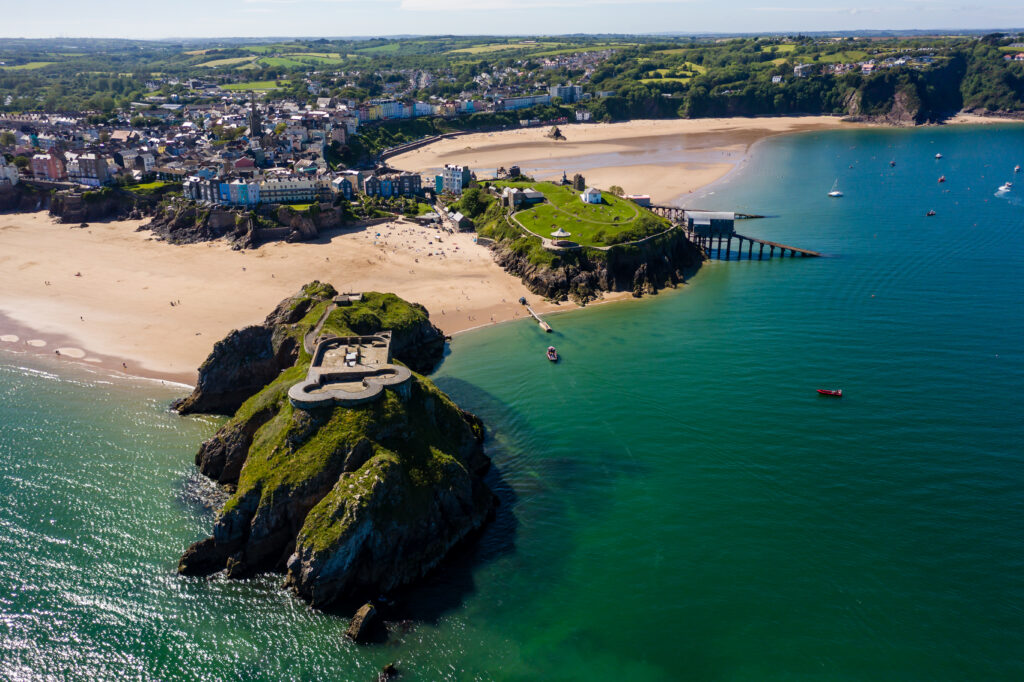
Pembrokeshire Coast Path South – Amroth to Pembroke – 7 days
The opening stretch of the Pembrokeshire Coast Path, from Amroth to Pembroke, sets the tone for the entire National Trail. It blends gentle…
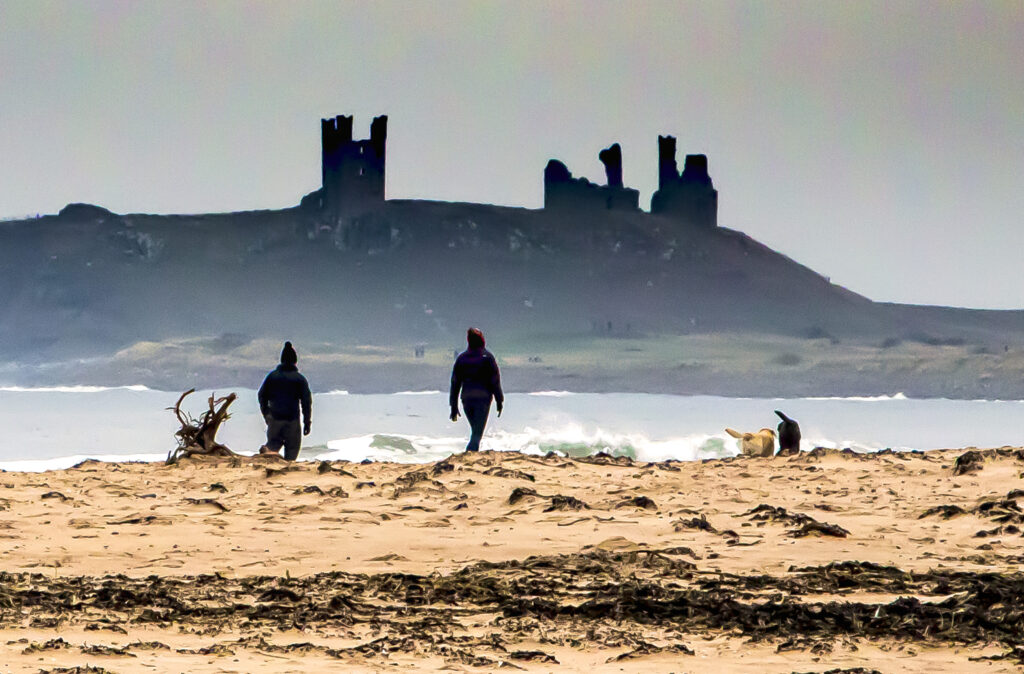
Northumberland Coast Path Highlights – Warkworth to Berwick-upon-Tweed – 5 days
We’ve picked, with some difficulty, the highlights from a section of the English coast absolutely packed with delights. This 5-day trip visits castles,…